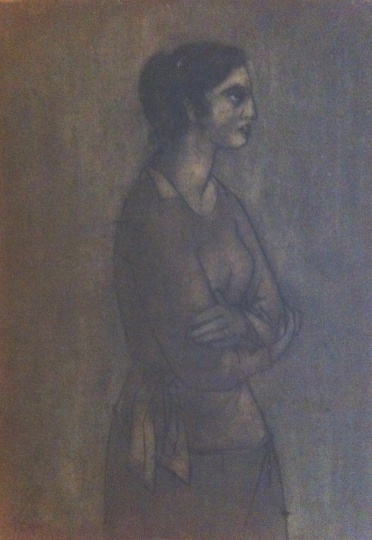
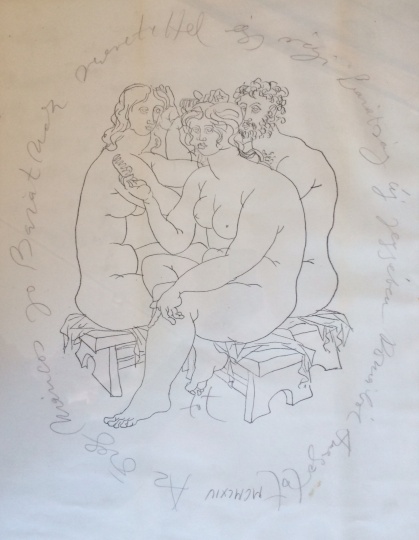
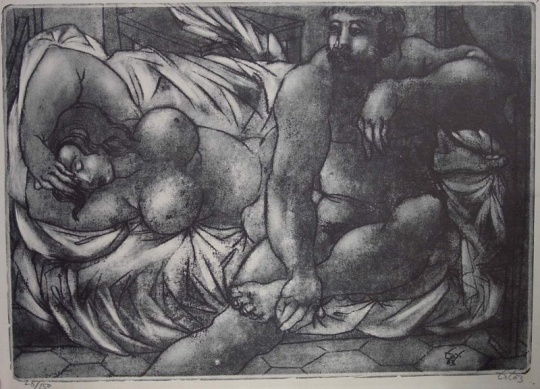
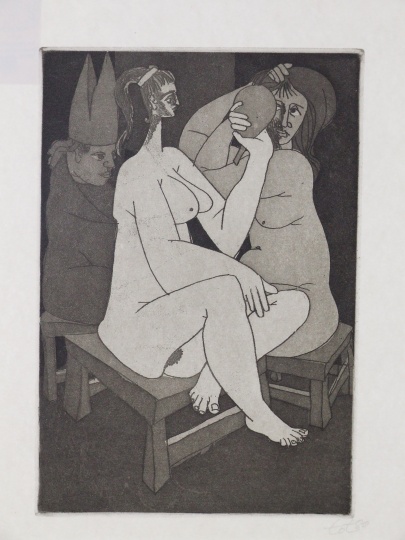
Amerigo Tot (1909 - 1984)
Biography
Biography
Biography – Amerigo Tot
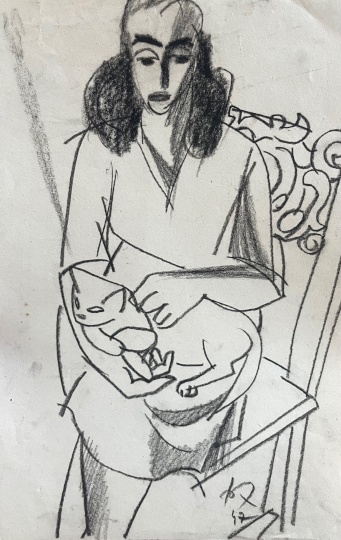
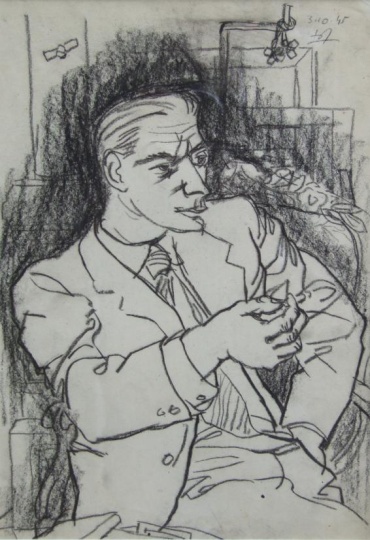
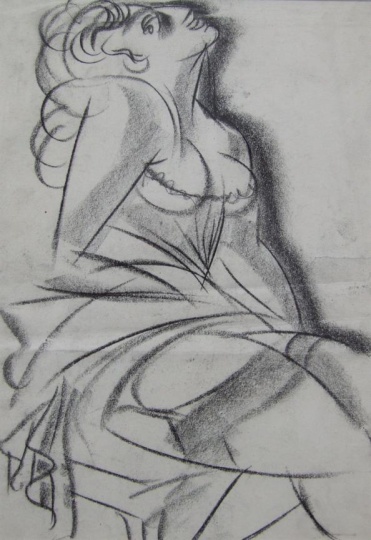
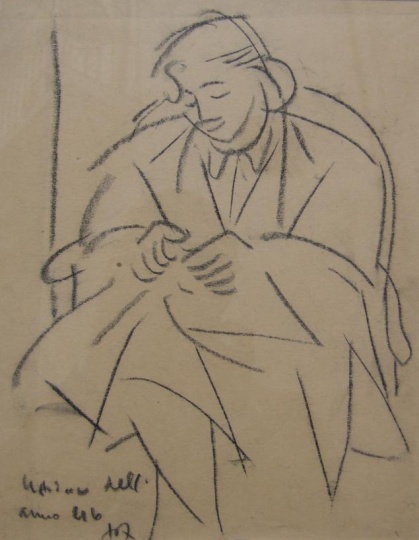
Amerigo Tot (1909–1984) was a Hungarian-born sculptor and visual artist who spent most of his life living and working in Italy. He is among the few Hungarian artists whose name remained internationally recognized both during his lifetime and after his death.
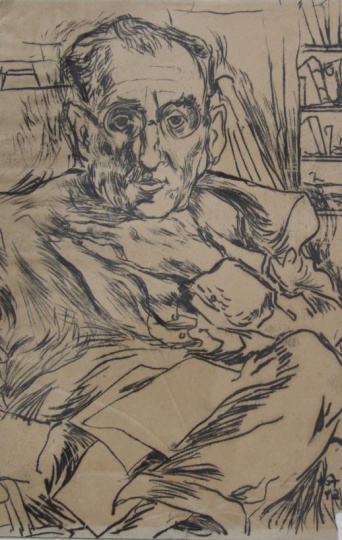
Amerigo Tot was born on 27 September 1909 in Fehérvárcsurgó, Hungary. In 1921 his family moved to Budapest. In 1927 he was admitted to the Mintarajziskola (today the Hungarian University of Art and Design), where he studied graphic arts and graduated with distinction in 1930. His teachers included Ferenc Helbing, Gyula Kaesz and György Leszkovszky.
In 1931 he was accepted for a six-month residency at the Bauhaus in Dessau, during the final year of the institution in Germany. During this period he held his first exhibition at Galerie Brücke in Dresden. In 1933 he received a scholarship to the Hungarian Academy in Rome, where he increasingly devoted himself to sculpture.
Artistic Context
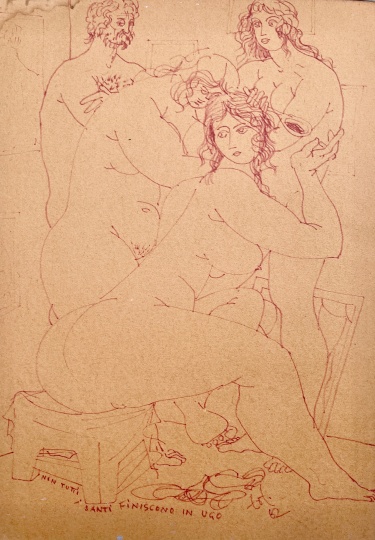
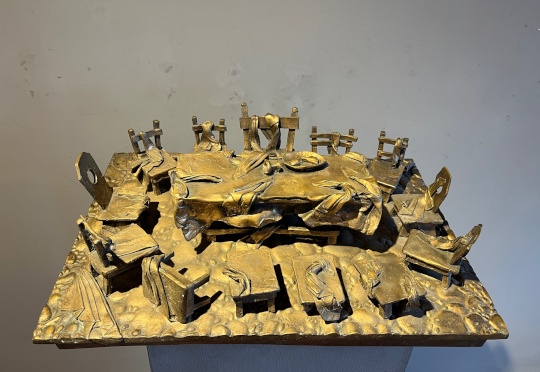
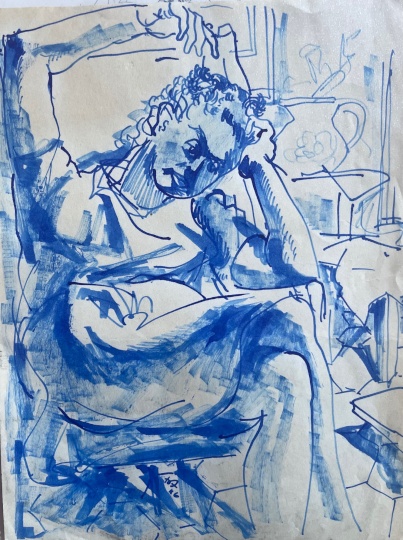
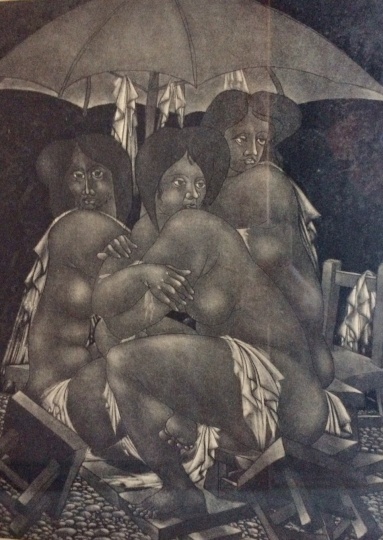
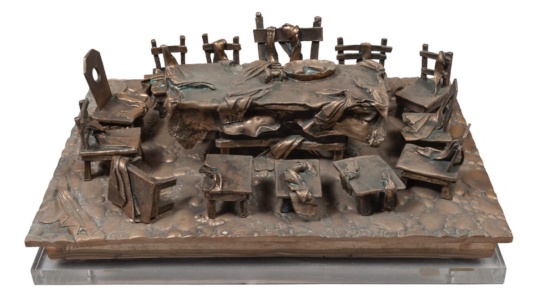
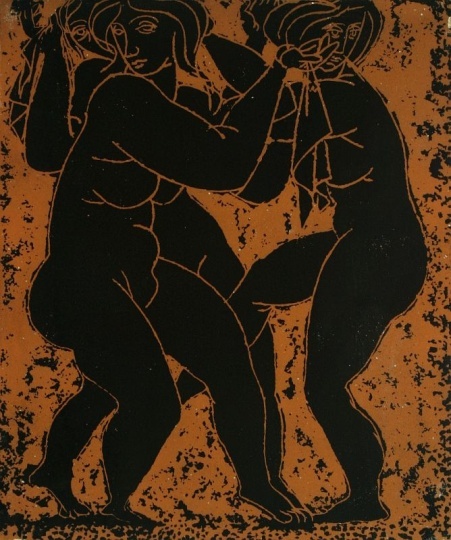
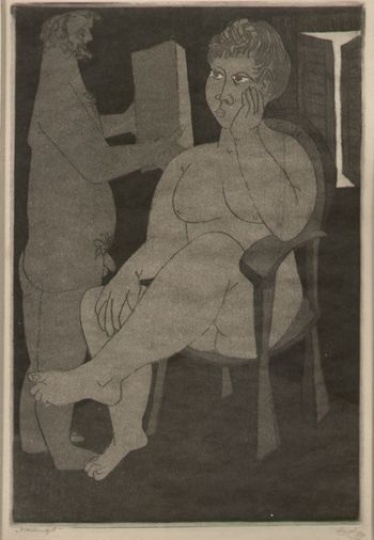
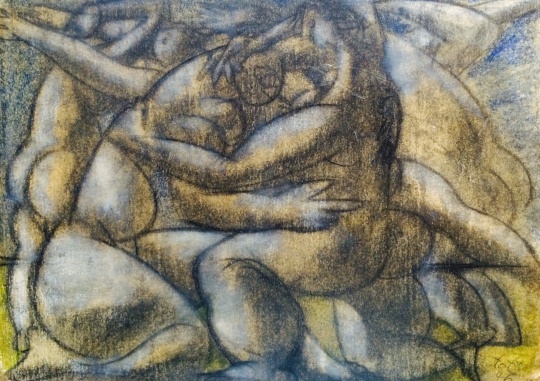
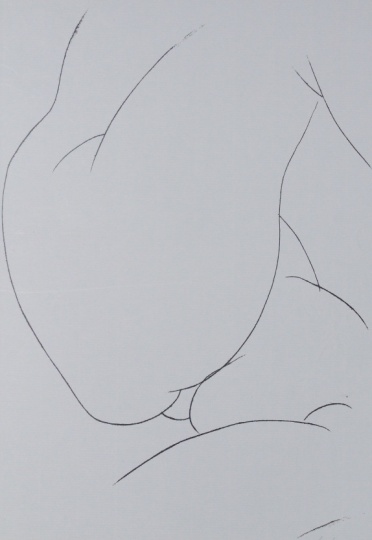
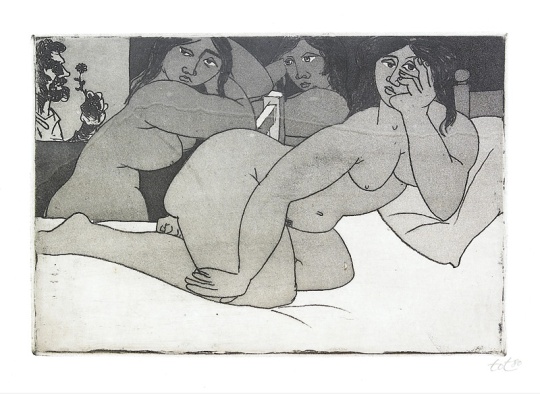
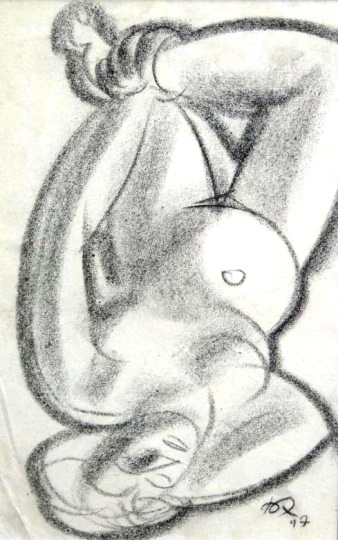
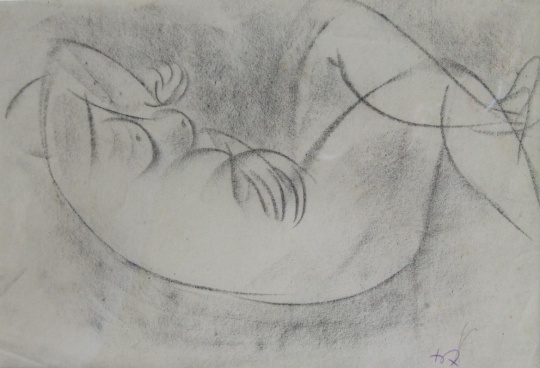
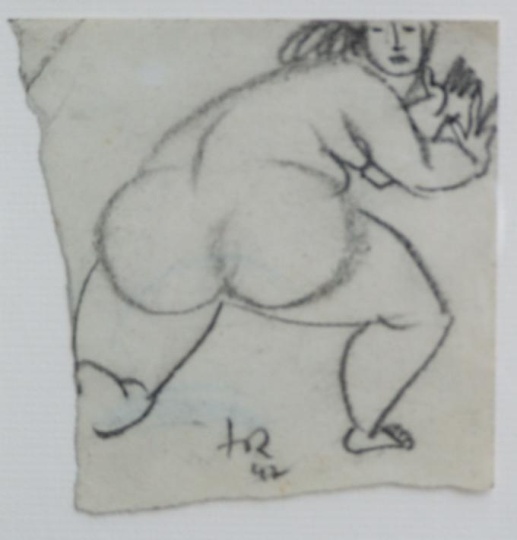
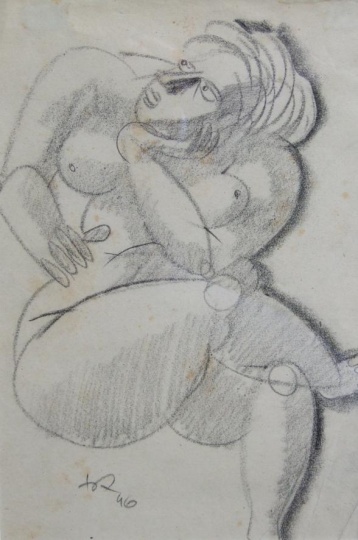
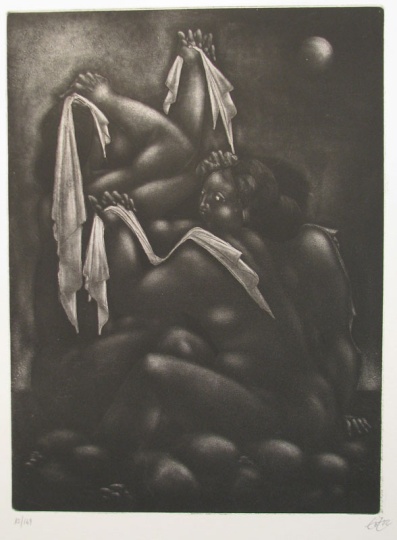
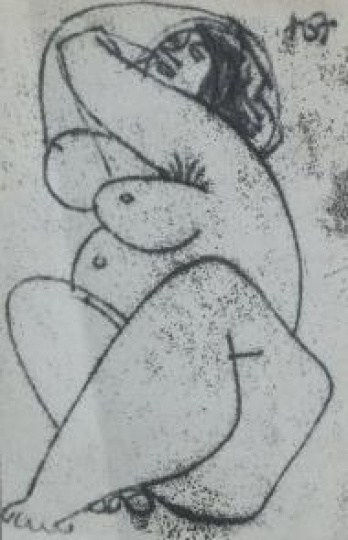
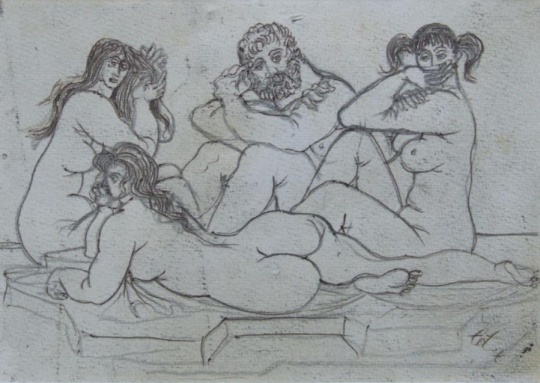
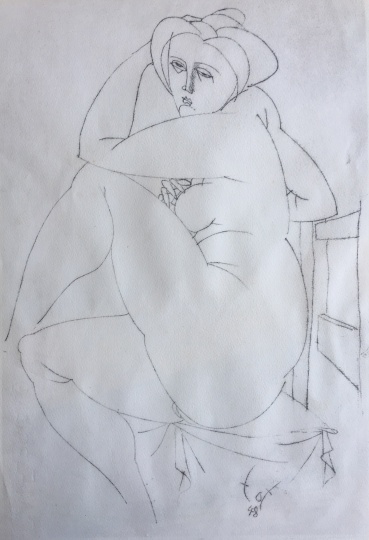
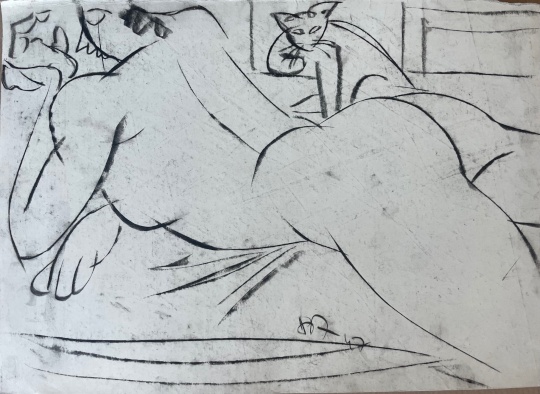
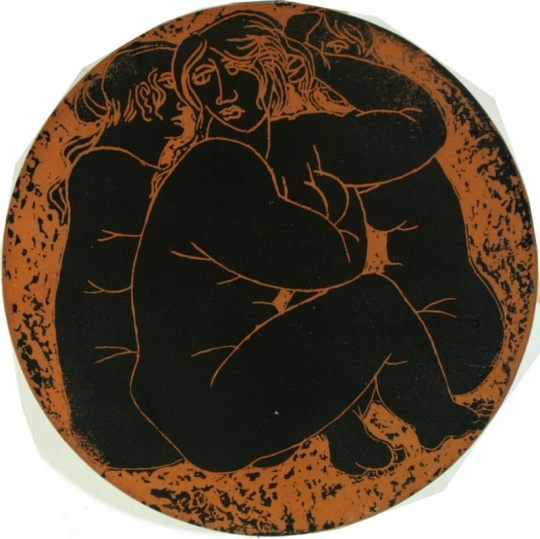
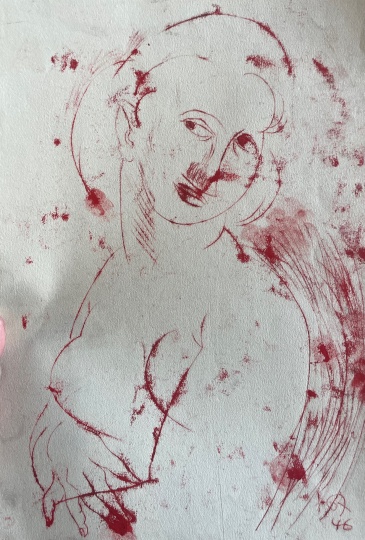
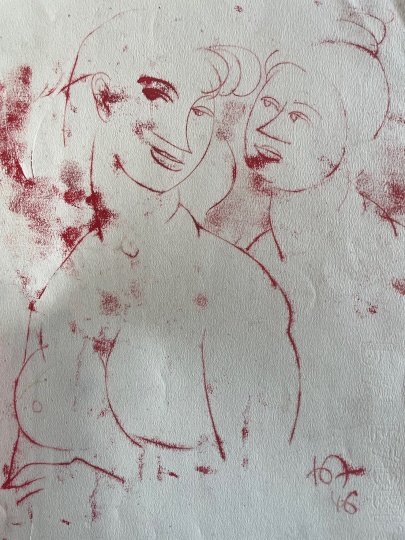
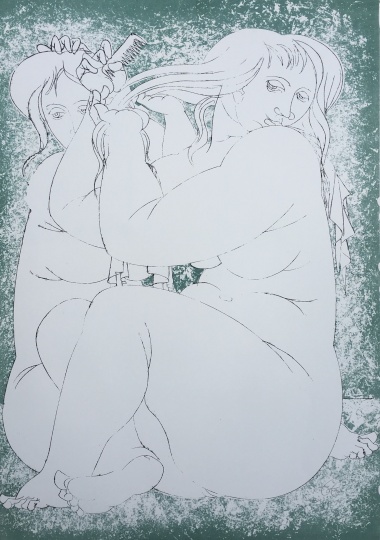
The human figure plays a central role in Amerigo Tot’s sculpture. His works often depict pairs or small groups of figures. Particularly well known are his compositions of rounded female figures forming the series known as Kavicsasszonyok (“Pebble Women”).
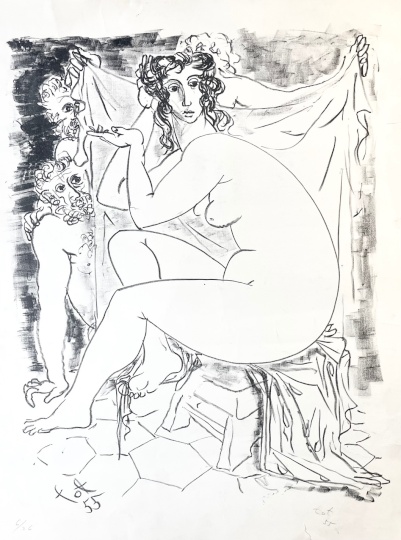
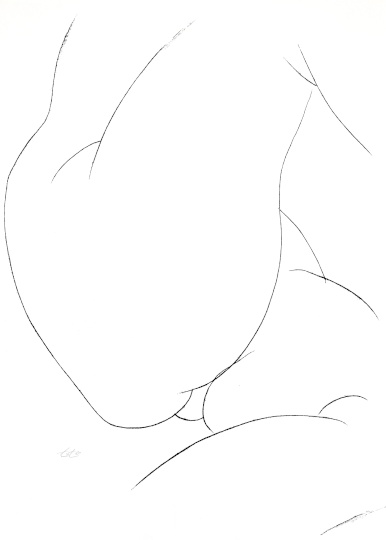
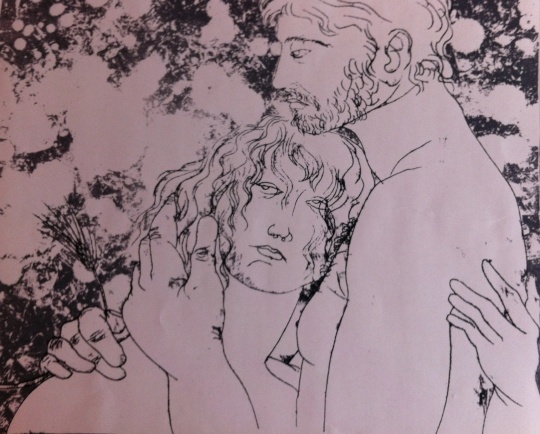
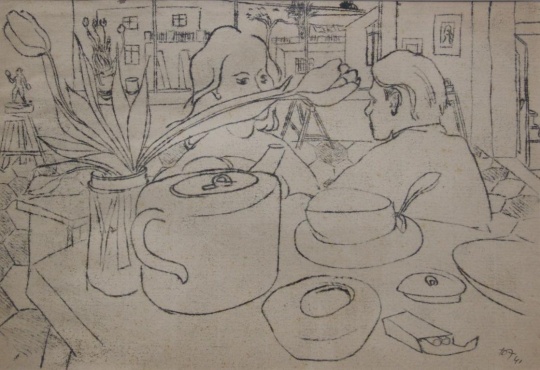
His depictions of lovers – sometimes recalling Picasso, whom Tot personally knew – present human relationships in natural and harmonious gestures. His work combines formal reduction, organic sculptural forms and a distinctive interpretation of beauty.
International Commissions
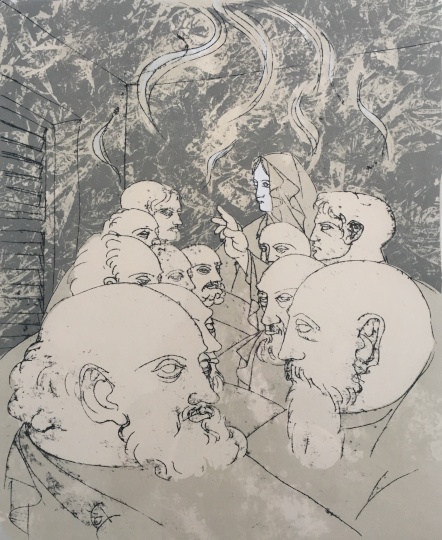
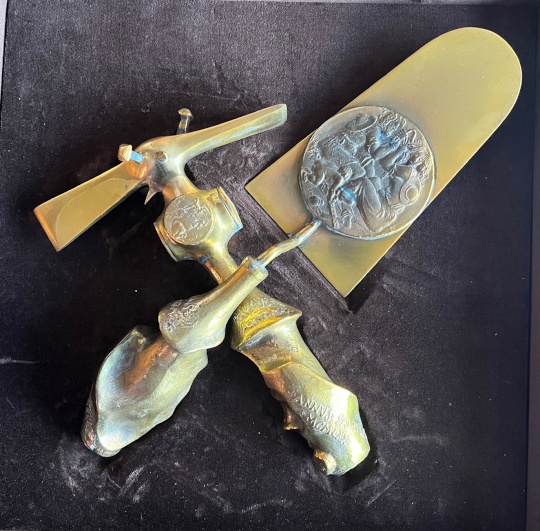
Amerigo Tot completed numerous important international commissions. Among his best-known works is the monumental relief on the façade of Rome’s Termini railway station. He also created reliefs for the Hungarian Chapel in the Vatican and produced lithographs for the International Olympic Committee.
Later Years
In 1978 a permanent exhibition of his works opened in Pécs, Hungary. In the same year he became a gold-medal member of the Italian Academy of Sciences. In 1979 he was awarded the Hungarian Order of the Flag with Laurel Wreath.
His final exhibition in Hungary took place between March 18 and April 18, 1982 at the Vigadó Gallery in Budapest. Amerigo Tot died on December 13, 1984 in Rome. He was buried at Farkasréti Cemetery in Budapest.
Presence on the Art Market
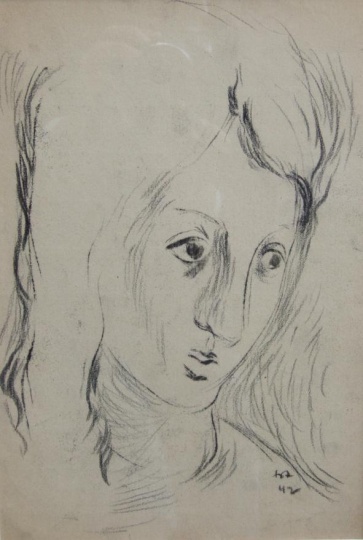
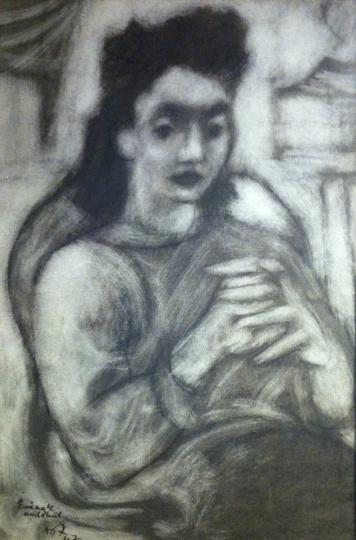
Works by Amerigo Tot regularly appear in auctions of modern Hungarian art. Figurative bronzes, small sculptures and works with strong art historical relevance are particularly sought after by collectors on both the Hungarian and international art market.
Biographical Timeline – Amerigo Tot
| Year | Biography |
|---|---|
| 1909 | Born in Fehérvárcsurgó. |
| 1927-1930 | Budapest University of Applied Arts. |
| Teachers: Ferenc Helbing, Gyula Kaesz and György Leszkovszky. | |
| 1931 | Accepted to the Bauhaus in Dessau. |
| 1933 | Hungarian Academy in Rome. |
| 1940-1945 | Creates the Kavicsasszony series. |
| 1947 | Art advisor at the Hungarian Academy in Rome. |
| 1949 | Wins the competition for the Termini station relief in Rome. |
| 1950-1952 | Exhibitions in Switzerland, Denmark and Sweden. |
| 1953 | Completion of the Termini relief. |
| 1966 | Wins the Kennedy memorial competition in Rome. |
| 1970-1980 | Professor at the Bari Academy of Fine Arts. |
| 1974 | Creates the portrait of Pope Paul VI. |
| Influences: Feininger, Albers, Kandinsky, Moholy-Nagy. | |
| Awards | |
| 1938 | Premio per Giovani Artisti. |
| 1946 | Premio Saint Vincent. |
| 1948 | Forte dei Marmi Prize. |
| 1950 | Mostra della Ricostruzione Sculpture Prize. |
| 1956 | Prize of the Roman Agricultural Exhibition. |
| 1979 | Order of the Hungarian Flag with Laurel. |
| Exhibitions | |
| 1982 | Vigadó Gallery, Budapest. |
| 1978 | International Small Sculpture Exhibition, Budapest. |
| 1973 | Bari, Palermo. |
| 1972 | Rio de Janeiro, Mexico City, Tokyo. |
| 1971 | Joseph M. Katz Collection, Pittsburgh. |
| 1970 | Quadriennale, Rome. |
| 1969 | Budapest exhibitions. |
| 1966 | New York. |
| 1965 | Milan Biennale. |
| 1964 | Bologna. |
| 1963 | Paris. |
| 1962 | Venice Biennale. |
| 1954 | Venice Biennale. |
| 1952 | Venice Biennale. |
| 1949 | Gallery La Giostra, Rome. |
| 1948 | Rome. |
| 1931 | First solo exhibition, Dresden. |