Rome and the Grand Tour | Journey, Discovery, and Memory in the Eternal City
2025. September 18. - October 19.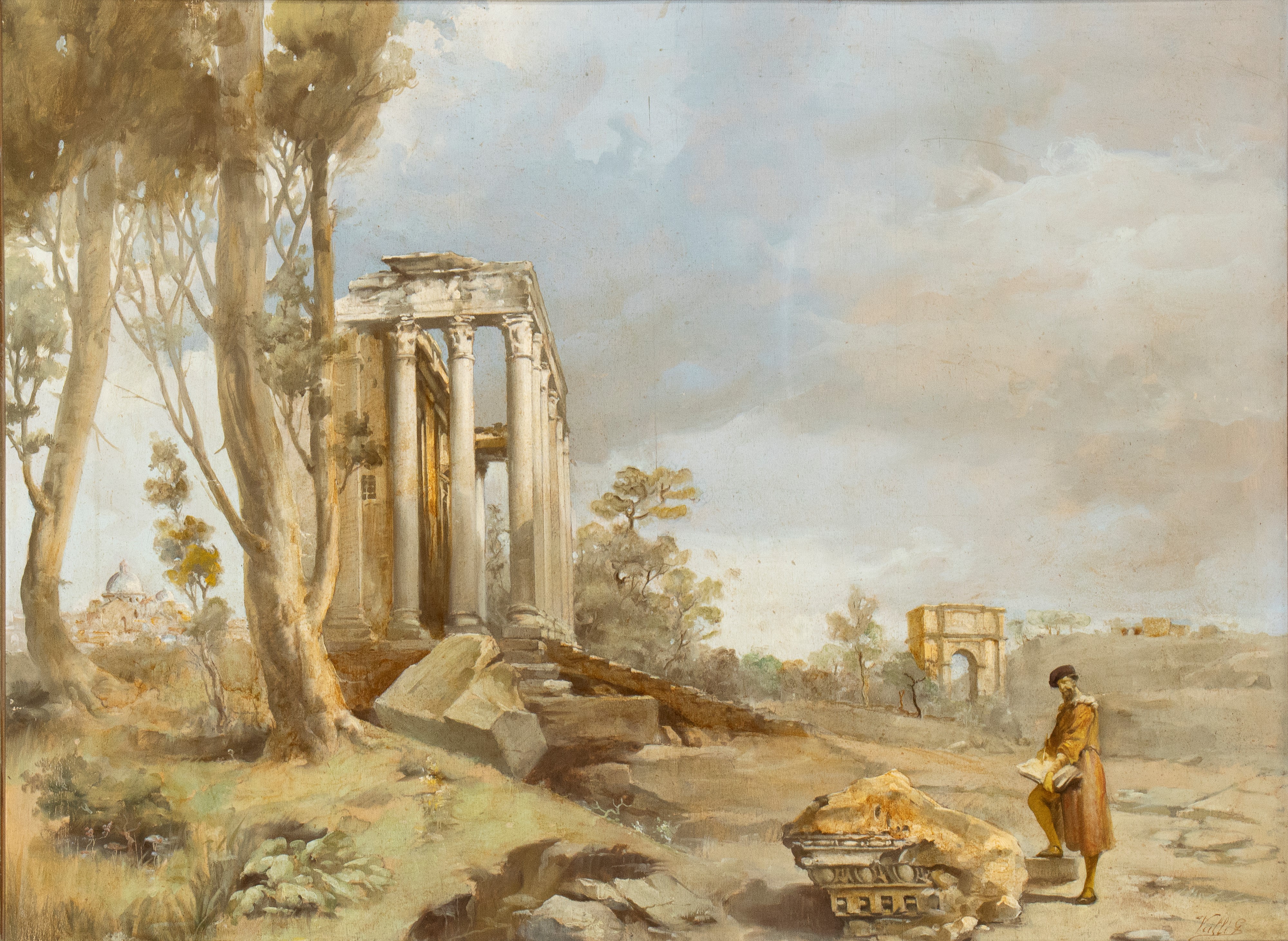
Rome and the Grand Tour – Journey, Discovery, and Memory in the Eternal City in occasion of the holy year
From the seventeenth to the mid-nineteenth century, Rome was the spiritual and physical heart of the Grand Tour – the educational journey undertaken by young aristocrats, artists, and intellectuals from across Europe. The Eternal City was far more than a stop on the itinerary: it appeared as a living palimpsest, where Antiquity, the Renaissance, the Baroque, and the modern age merged into a unique cultural experience.
For travelers, Rome was both myth and reality. The myth evoked the city of Caesars, martyrs, and artistic geniuses, while the reality revealed a layered metropolis – at times decaying, at others vibrant – filled with ruins, masterpieces, libraries, academies, and a cosmopolitan circle of scholars and artists. Every step was an encounter with memory: from the Forum and the Pantheon to the Sistine Chapel, Raphael’s Rooms, and Bernini’s piazzas.
A stay in Rome became a cultural initiation. Figures such as Goethe, Byron, the Shelleys, Chateaubriand, and Stendhal spent months immersed in study, copying sculptures, and joining the city’s intellectual debates. Their diaries and letters became celebrated testimonies of an era, while wealthy travelers acquired books, prints, and works of art that later formed the foundations of major European collections.
Art itself flourished within this dialogue. Piranesi, with his visionary etchings, Panini and Joli with their splendid vedute, and artists such as Canova, Ingres, and Kauffmann with their renewed vision of Antiquity, all shaped the Neoclassical movement that resonated far beyond Rome. At the same time, the collecting and preservation of antiquities fostered a new awareness of cultural heritage and contributed to the rise of modern museums.
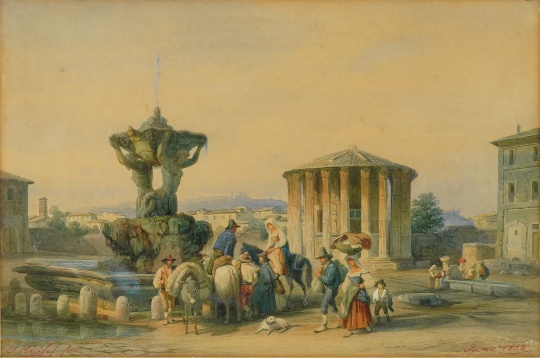
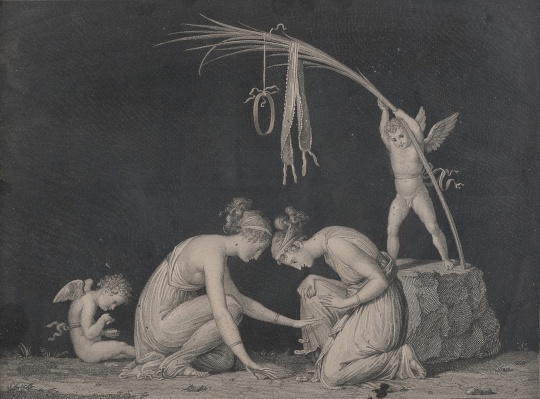
Our chamber exhibition combined with a sale presents selected contemporary drawings, paintings, and engravings from the 18th and 19th centuries, which reveal the wonder and self-reflection of travelers. One of the most remarkable works is, for example, a piece created after a drawing by Antonio Canova (1757-1822), engraved by Angelo Testa (1775–1830) (“Girls Playing Knucklebones »”), or Franz Knebel II (1801–1877) – “Forum Boarium »”, which we are presenting for the first time in Hungary. The exhibition, presented on the occasion of the rare Holy Year, invites us to rediscover Rome as a place of dialogue between travel, art, and memory.
Amid today’s restless mobility, the Grand Tour remains a powerful example of slow, profound, and conscious cultural experience.
Exhibited artworks
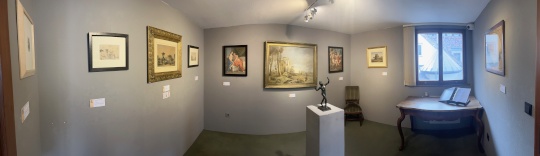
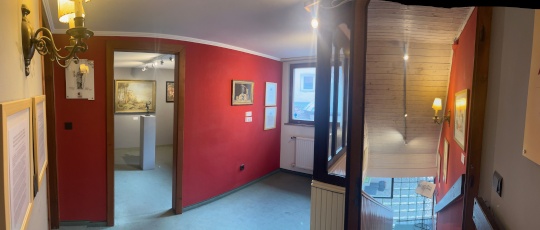
Impressions from the exhibiton