Duschanek, János (1947 - 2013)
Biography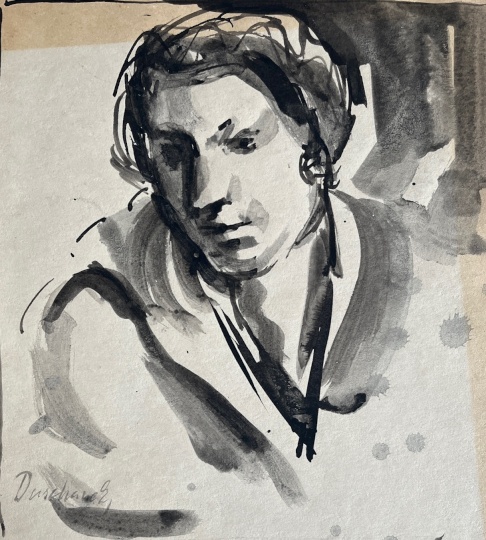
Biography
Biography and Art
János Duschanek was a Hungarian painter, graphic artist and drawing teacher. He was born in Bakonyszentlászló on and died in Budapest on . His name also appears in Hungarian order as Duschanek János. He is distinct from the author listed as Duschanek Adolf. [3]
The landscape of the Bakony and his childhood in a forestry family provided an important background to his art. While attending the Benedictine secondary school in Győr, he received guidance in the art circle led by Lajos Cziráki. Between 1968 and 1972 he studied under Aurél Bernáth at the Magyar Képzőművészeti Főiskola. He began exhibiting in 1973 and received the Derkovits scholarship in 1975. From 1997 until retirement he taught drawing at the Képző- és Iparművészeti Szakközépiskola in Budapest. [1] [2] [10]
The secondary biographical account names his parents as János Duschanek and Piroska Szilágyi, and his wife as Julianna Mészáros. Some sources date the end of his studies to 1973; 1972 is better supported. Accounts also differ on the institution where he taught: an additional teaching position at a college has not been established. [3]
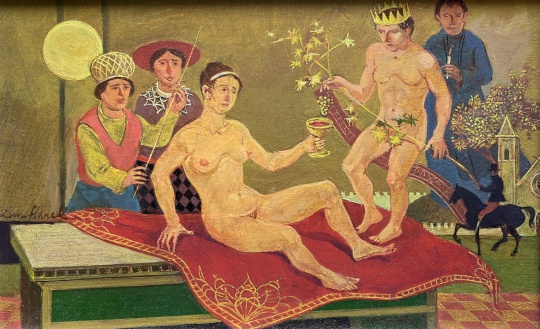
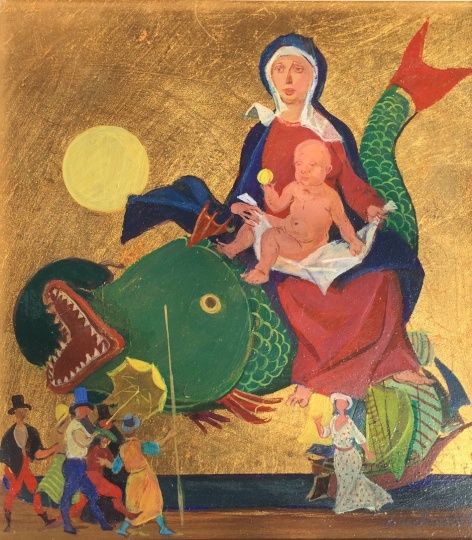
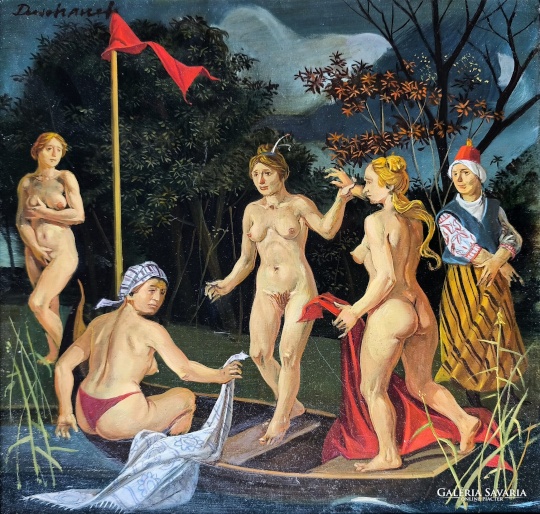
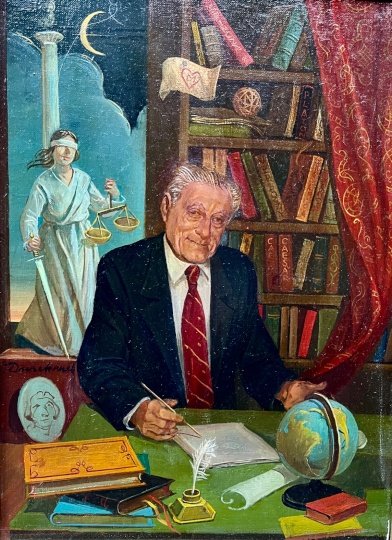
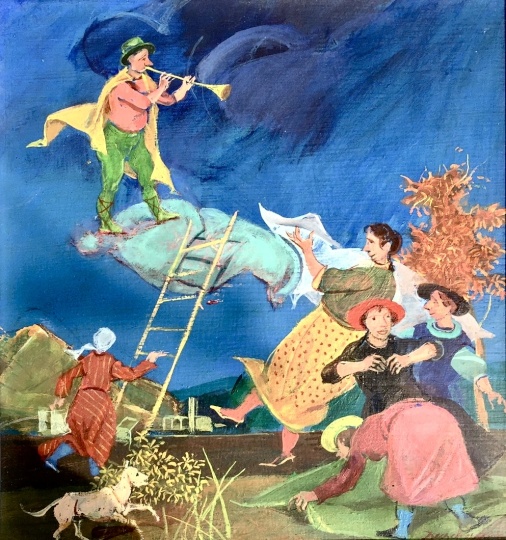
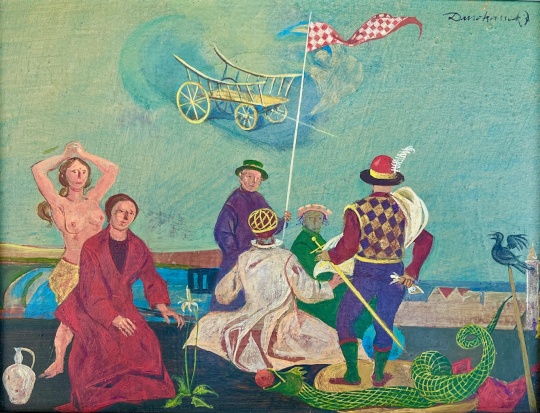
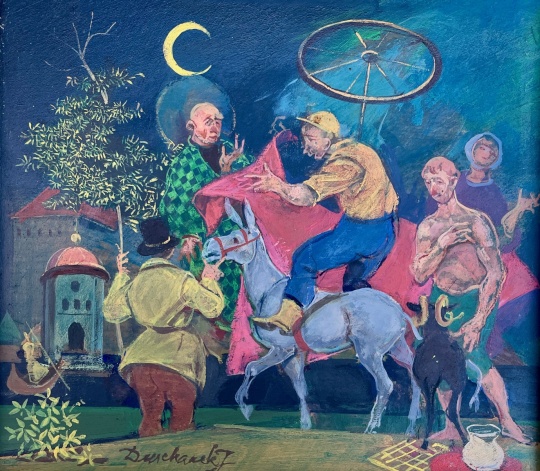
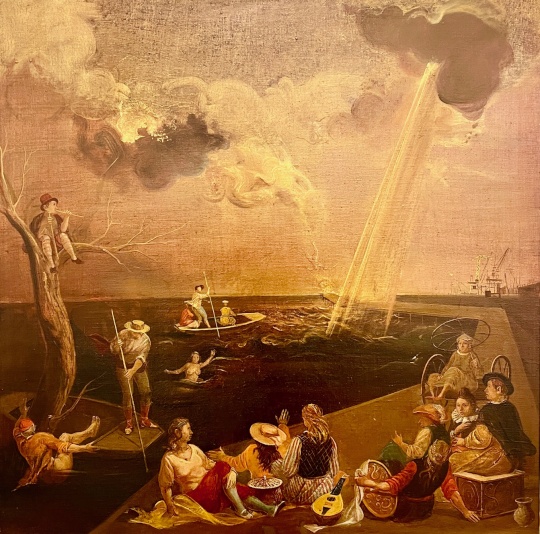
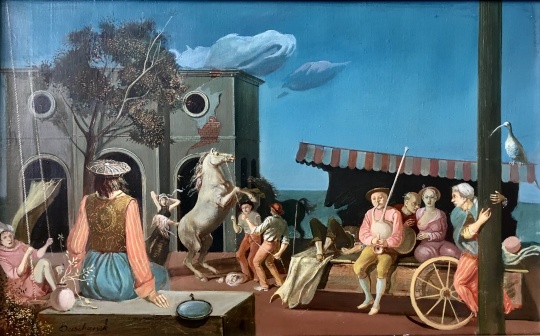
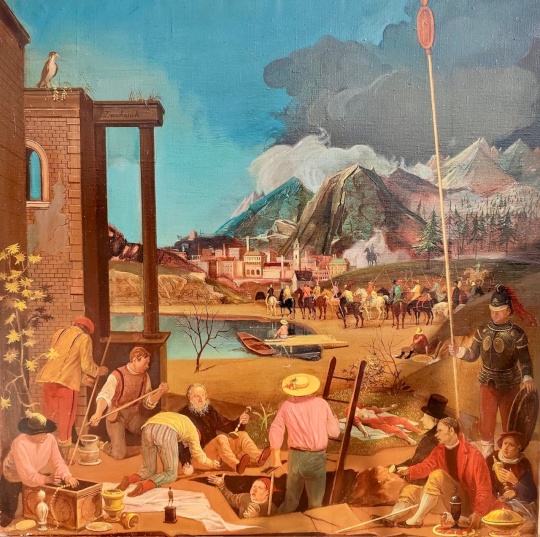
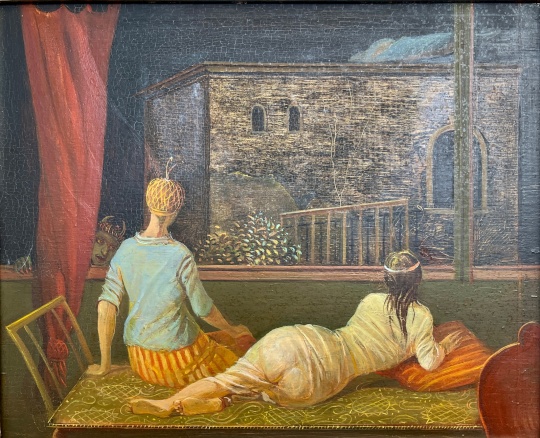
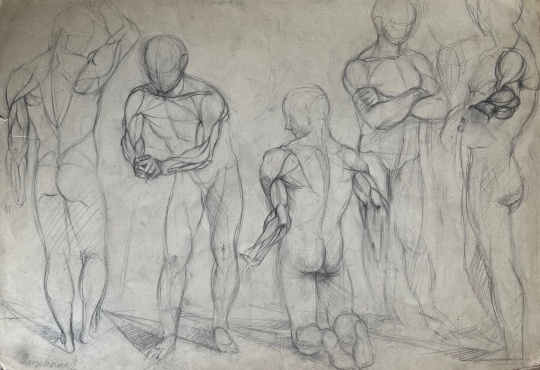
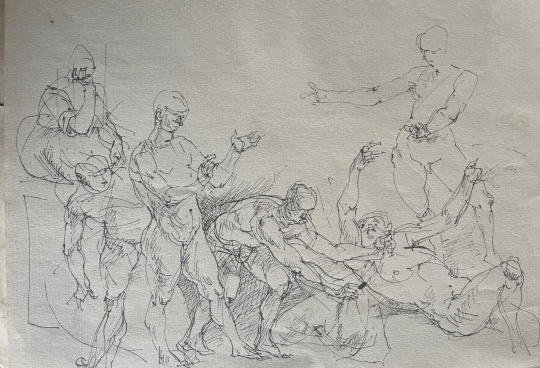
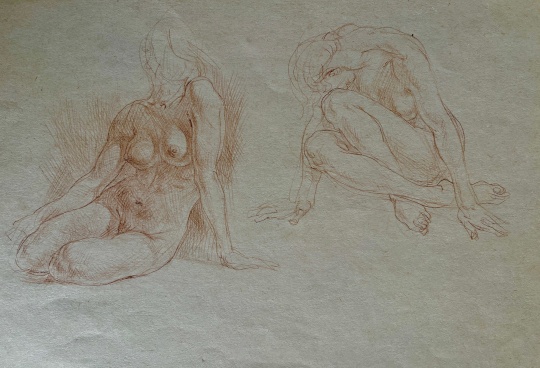
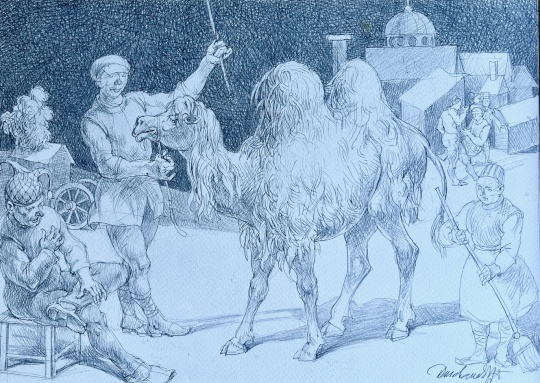
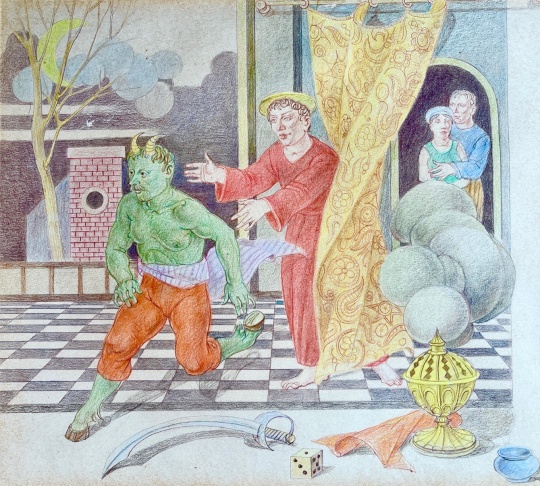
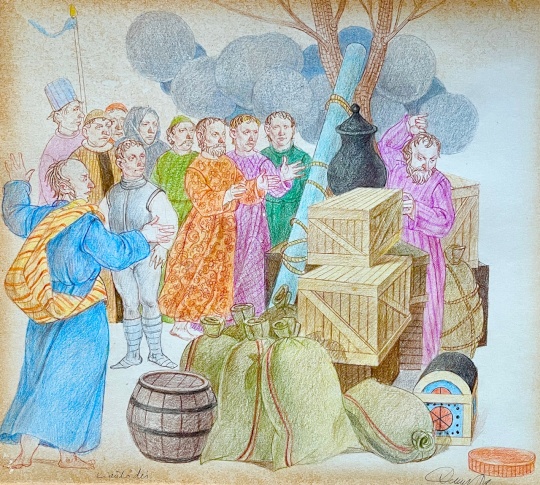
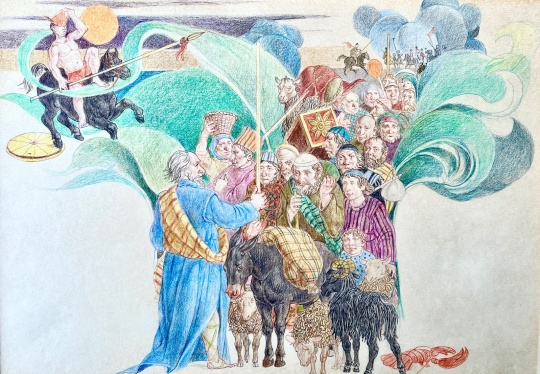
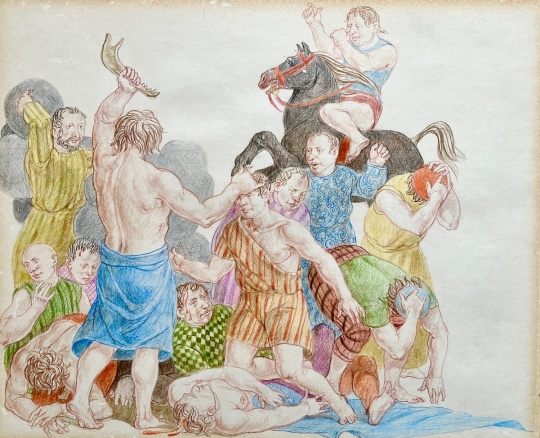
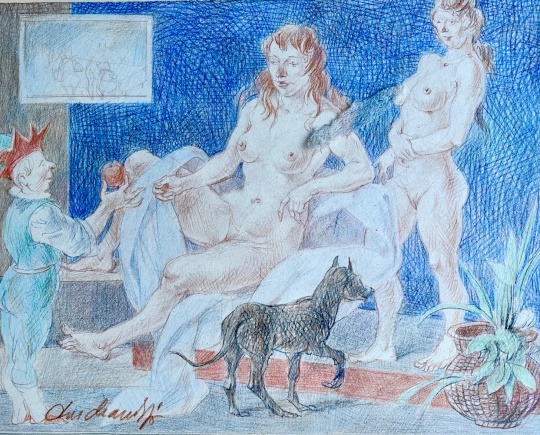
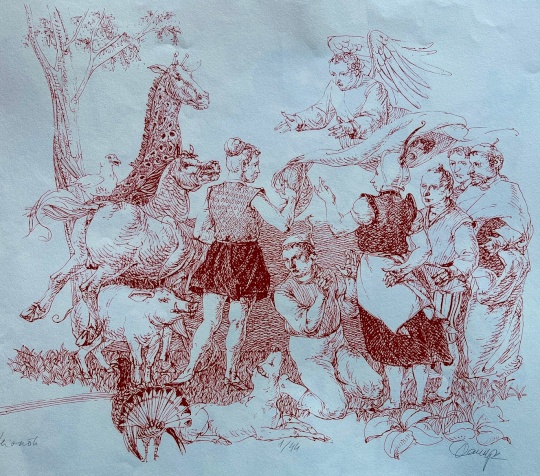
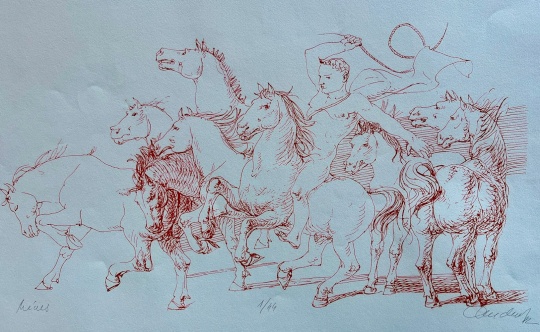
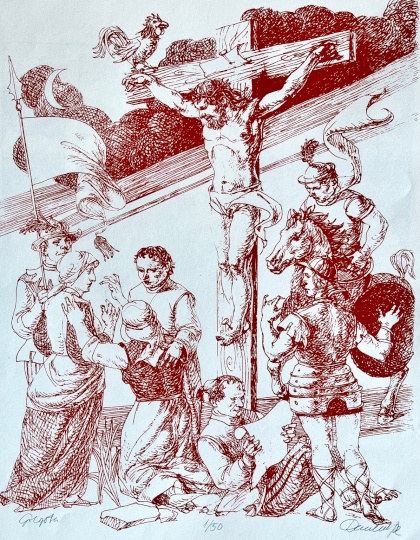
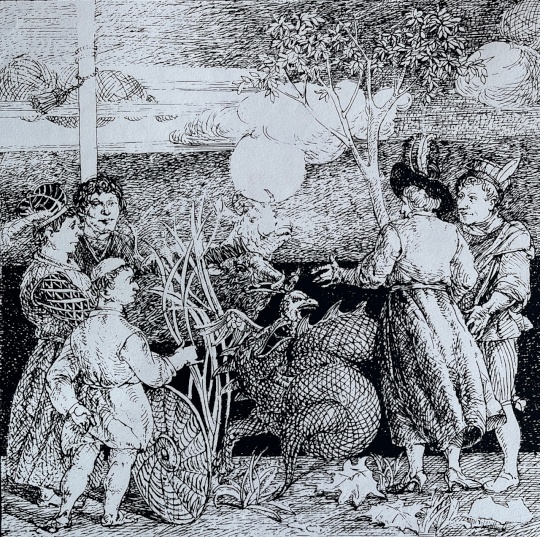
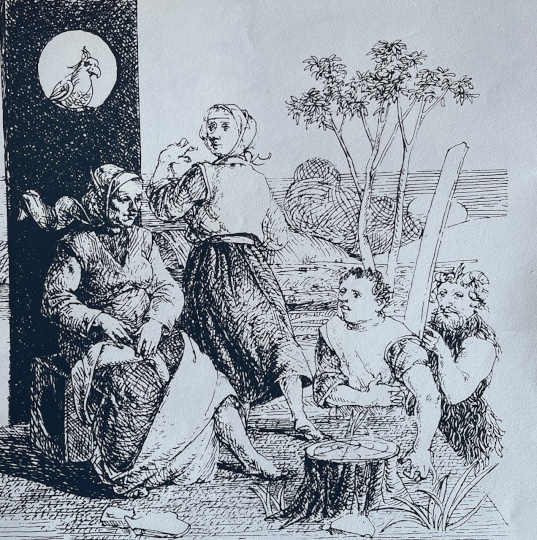
His figurative compositions bring together dreamlike situations, personal symbols, people, animals and mythological figures. His imagery draws on observation of nature and carefully constructed space. Alongside painting, he produced independent drawings, coloured works on paper, studies, prints and book illustrations. [4] [7]
In Kiss Mária’s interpretation, the naturalistic and expressive approach learned from Bernáth developed during the 1970s and 1980s into a distinctive poetic, sometimes grotesque visual language. The literature draws parallels with Dalí, de Chirico and Magritte, and with Italian and Netherlandish masters. These are formal and interpretative comparisons. The essay mentions travel involving museum visits but provides no complete itinerary or chronology. [2]
Historical international award names follow the sources; some details of organisers and certificates remain to be verified. The essay also mentions distinctions in Moscow (1978) and London (1982), without giving exact award names. [2]
Kiss Mária’s 1992 monograph and the essay published online in 2003 are important sources for his reception. A later memorial exhibition and the 2025 exhibition at Koller Gallery and Auction House demonstrate continued engagement with his art. A memorial plaque in Budapest commemorates him. [5] [7]
An earlier institutional report names Mosonmagyaróvár, Ozora Castle and the church in Battonya as places where his work was displayed. No complete, currently verified list of public collection holdings is available. The 2003 essay lists him as a member of the Művészeti Alap and the Képző- és Iparművészeti Szövetség. The research has not identified the administrator of his estate. HUNGART includes his name among the artists it represents. Art market assessment should consider authenticity, medium, condition, provenance and publication history together. [5] [6] [2]
Kiss Mária: Duschanek János (1992), a Hungarian–English monograph; the publisher’s spelling, Széchenyi/Széchényi, requires checking against the imprint. Maurice Maeterlinck: A Kék madár (Budapest, Móra Ferenc Ifjúsági Könyvkiadó, 1987), with contributions by Ede Tarbay and illustrations by Duschanek. Kiss Mária: Egymásbafont ének (Budapest, Kossuth, 1993), with drawings by Duschanek. [4]
Further leads include a bibliographic reference to an article by Kiss Mária beginning Színpadi mesék, and references to MTI Ki kicsoda 2009 and the Moson Megyei Életrajzi Lexikon. His role in Arcok a magyar vadászmúltból IV. (2008) remains to be clarified. [3] [8]
Life and artistic background
Art and working methods
Scholarship and awards
Year
Distinction
1975
Derkovits Gyula art scholarship
1976
Biennial of young realist painters, Sofia: second prize
1976
Szegedi Nyári Tárlat: first prize
1976
V. Országos Akvarell Biennálé: distinction
1977
Itália 2000, Naples: “Ferrariale Cupa” according to the source
1980
Vanvitelli Academy, Naples: Honoris Causa
1980
Academy of Art, Parma: Honoris Causa
1980
VII. Országos Akvarell Biennálé: award
1982
Monaco painting Grand Prix: grand prize for figurative painting
1982
Award of the museum of modern art in Tokyo, according to the dictionary
1990
Molnár C. Pál Társaság: grand prize
Reception and estate
Literature
Sources
Exhibitions
János Duschanek was a Hungarian painter, graphic artist and drawing teacher. He was born in Bakonyszentlászló on and died in Budapest on . His name also appears in Hungarian order as Duschanek János. He is distinct from the author listed as Duschanek Adolf. [3]
The landscape of the Bakony and his childhood in a forestry family provided an important background to his art. While attending the Benedictine secondary school in Győr, he received guidance in the art circle led by Lajos Cziráki. Between 1968 and 1972 he studied under Aurél Bernáth at the Magyar Képzőművészeti Főiskola. He began exhibiting in 1973 and received the Derkovits scholarship in 1975. From 1997 until retirement he taught drawing at the Képző- és Iparművészeti Szakközépiskola in Budapest. [1] [2] [10]
The secondary biographical account names his parents as János Duschanek and Piroska Szilágyi, and his wife as Julianna Mészáros. Some sources date the end of his studies to 1973; 1972 is better supported. Accounts also differ on the institution where he taught: an additional teaching position at a college has not been established. [3]
His figurative compositions bring together dreamlike situations, personal symbols, people, animals and mythological figures. His imagery draws on observation of nature and carefully constructed space. Alongside painting, he produced independent drawings, coloured works on paper, studies, prints and book illustrations. [4] [7]
In Kiss Mária’s interpretation, the naturalistic and expressive approach learned from Bernáth developed during the 1970s and 1980s into a distinctive poetic, sometimes grotesque visual language. The literature draws parallels with Dalí, de Chirico and Magritte, and with Italian and Netherlandish masters. These are formal and interpretative comparisons. The essay mentions travel involving museum visits but provides no complete itinerary or chronology. [2]
Historical international award names follow the sources; some details of organisers and certificates remain to be verified. The essay also mentions distinctions in Moscow (1978) and London (1982), without giving exact award names. [2]
Kiss Mária’s 1992 monograph and the essay published online in 2003 are important sources for his reception. A later memorial exhibition and the 2025 exhibition at Koller Gallery and Auction House demonstrate continued engagement with his art. A memorial plaque in Budapest commemorates him. [5] [7]
An earlier institutional report names Mosonmagyaróvár, Ozora Castle and the church in Battonya as places where his work was displayed. No complete, currently verified list of public collection holdings is available. The 2003 essay lists him as a member of the Művészeti Alap and the Képző- és Iparművészeti Szövetség. The research has not identified the administrator of his estate. HUNGART includes his name among the artists it represents. Art market assessment should consider authenticity, medium, condition, provenance and publication history together. [5] [6] [2]
Kiss Mária: Duschanek János (1992), a Hungarian–English monograph; the publisher’s spelling, Széchenyi/Széchényi, requires checking against the imprint. Maurice Maeterlinck: A Kék madár (Budapest, Móra Ferenc Ifjúsági Könyvkiadó, 1987), with contributions by Ede Tarbay and illustrations by Duschanek. Kiss Mária: Egymásbafont ének (Budapest, Kossuth, 1993), with drawings by Duschanek. [4]
Further leads include a bibliographic reference to an article by Kiss Mária beginning Színpadi mesék, and references to MTI Ki kicsoda 2009 and the Moson Megyei Életrajzi Lexikon. His role in Arcok a magyar vadászmúltból IV. (2008) remains to be clarified. [3] [8]
Biography
Life and artistic background
Art and working methods
Scholarship and awards
Year
Distinction
1975
Derkovits Gyula art scholarship
1976
Biennial of young realist painters, Sofia: second prize
1976
Szegedi Nyári Tárlat: first prize
1976
V. Országos Akvarell Biennálé: distinction
1977
Itália 2000, Naples: “Ferrariale Cupa” according to the source
1980
Vanvitelli Academy, Naples: Honoris Causa
1980
Academy of Art, Parma: Honoris Causa
1980
VII. Országos Akvarell Biennálé: award
1982
Monaco painting Grand Prix: grand prize for figurative painting
1982
Award of the museum of modern art in Tokyo, according to the dictionary
1990
Molnár C. Pál Társaság: grand prize
Reception and estate
Literature
Sources