Femes Beck, Vilmos (1885 - 1918)
BiographyARTWORKS FOR SALE
WE ARE CURRENTLY SEEKING THE ARTIST’S WORKS FOR OUR UPCOMING AUCTIONS
The artist’s works are regularly featured in our auctions. For our upcoming auctions, we examine and evaluate suitable works based on photographs free of charge and without obligation. We then provide a recommendation for the most suitable sales method, whether by auction, consignment sale, or direct purchase for cash.
REQUEST CONSIGNMENT FOR THE NEXT AUCTION » | START FREE PHOTO-BASED VALUATION »
Biography
Biography
Vilmos Fémes Beck was born in 1885 in Budapest. He began his studying young in László Vandrák’s goldsmith workshop; he got the first artistic help from his brother, the famous sculptor Beck. Ö. Philip. He studied goldsmith and patterning at the School of Applied Arts. At first in Dresden, and then he worked in Darmstadt next to J.M. Olbrich, where he designed reinforcements and mountings for the furniture. He was in London and Paris by state scholarship in 1907, than he began to work independently next to George Roemer. In 1909 came back to Hungary and began to make his medals, small bronze- and portrait statues.
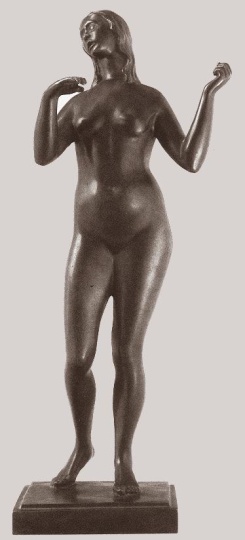
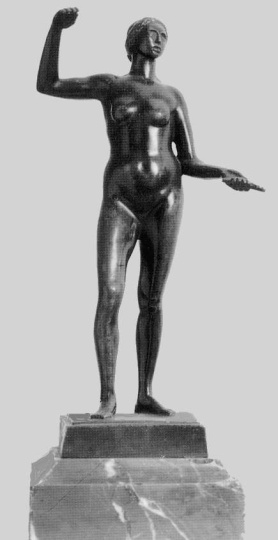
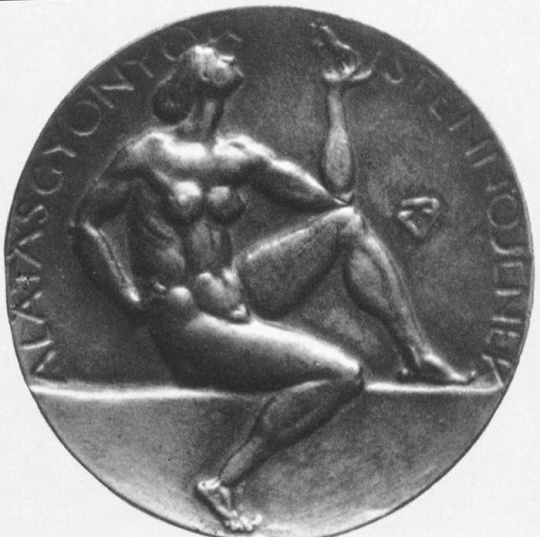
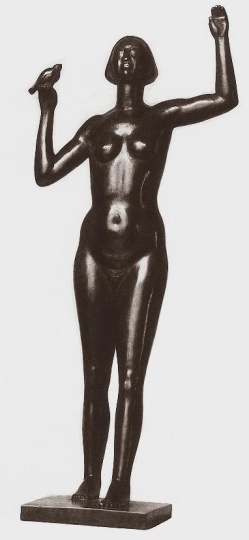
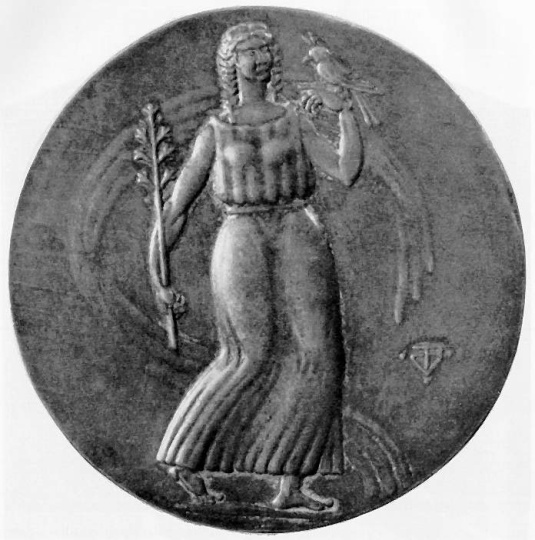
Quickly developed his artistic personality, his works were presented at the annual exhibition of “The Eight” and in the Artists' House. He quickly caused a stir with his medal arts, firstly with the Lechner medal. As a sculptor the modern trends of the early 20th century’s (Art Nouveau, Constructivism, Cubism and Expressionism) inspired his works, but by express his personal style he created statuette as well.
He entered the war in 1914, than he came back ill in 1918. After his early death the Belvedere Art Salon organized a probate exhibition of his works in 1923. In honor of him a memorial exhibition was in Budapest in 1945 and in the Saint Stephen Museum in Székesfehérvár city in 1985. Some of his works are in private ownership or ruined, several of his works can be found at the Hungarian National Gallery.
| Year | Biography |
|---|---|
| 1885 | He was born in Budapest |
| He studied goldsmith and patterning at the School of Applied Arts | |
| 1907 | he was in London and Paris by state scholarship |
| His teachers: László Vandrák, Fülöp Beck Ö., | |
| Awards | |
| 1906 | gold medal at the Milan International Exhibition |
| Selected goldsmith works | |
| 2 piece tin bowl (about 1910) (Museum of Applied Arts) | |
| Lechner (1911) (medal) | |
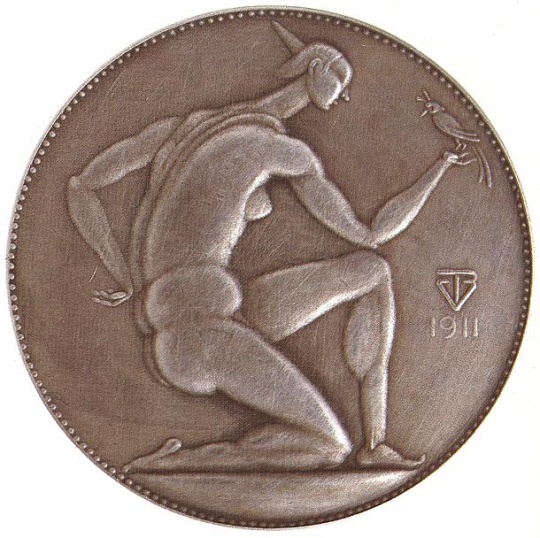
| Kneeling Nude (it is also mentioned as "Kneeling Nude with Bird") (1911) (weathered Bronzee, Hungarian National Gallery) | |
| The visual-delight goddess (1911) (cast Bronze, engraved, Hungarian National Gallery) | |
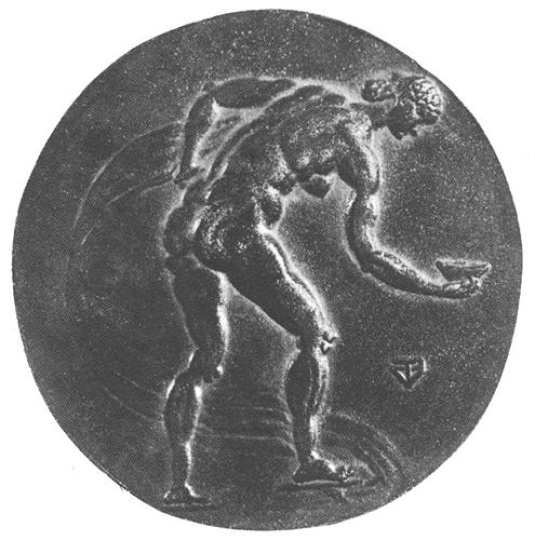
| Bailing Woman (No year) (cast Bronze, Hungarian National Gallery) | |
| To Lidi (medal) | |
| Maria (1914) (medal) | |
| Selected statues | |
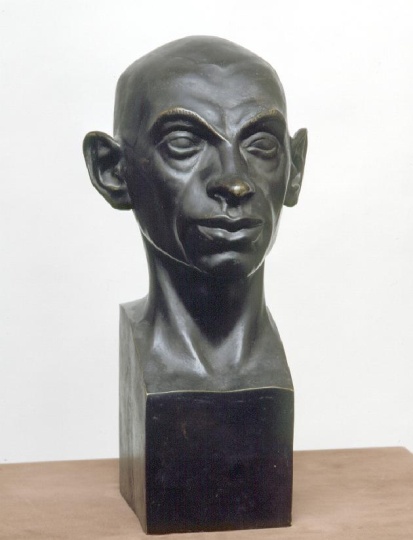
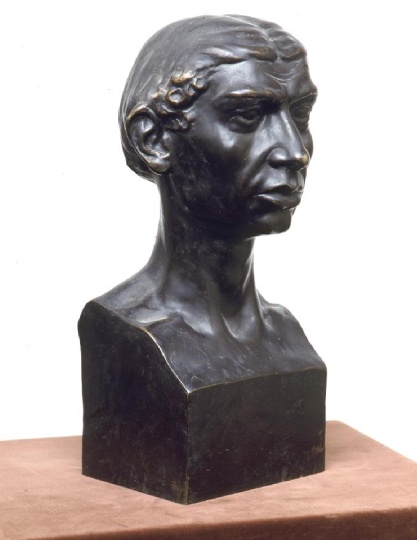
| Tersánszky-head (1910) (Bronze, Hungarian National Gallery) | |
| Man head (1910) (Bronze, Hungarian National Gallery) | |
| Woman with flower, with bird (1911) (Bronze, Hungarian National Gallery) | |
| Kneeling Nude (1911) (Cast Bronze, Hungarian National Gallery) | |
| Keeping ear (1912) (Bronze, Deák-collection, City Gallery, Székesfehérvár) | |
| Woman with bird (1912) (Bronze, Hungarian National Gallery) | |
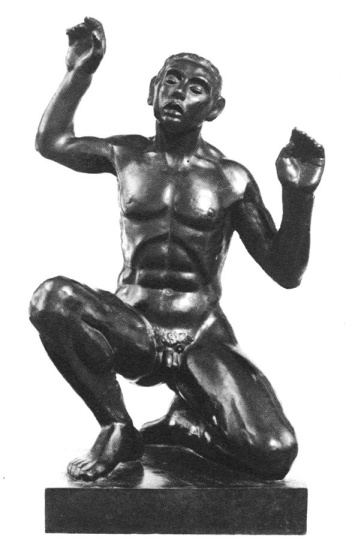
| Kneeling boy (1912) (Bronze, Hungarian National Gallery) | |
| Nude woman (about 1912) (Bronze, Hungarian National Gallery) | |
| Slumberous (1912) (Yellow Copper, Kieselbach Gallery) | |
| Kenczler-head (No yearl) (Hungarian National Gallery) | |
| Kabos Edit portrait statue | |
| Singing girl (bust) | |
| Dancer (it is also mentioned as "Dancing woman") | |
| Bacchus | |
| Beatrice and Dante |