Amerigo Tot (1909 - 1984)
Biography
Biography
Amerigo Tot biography and Art
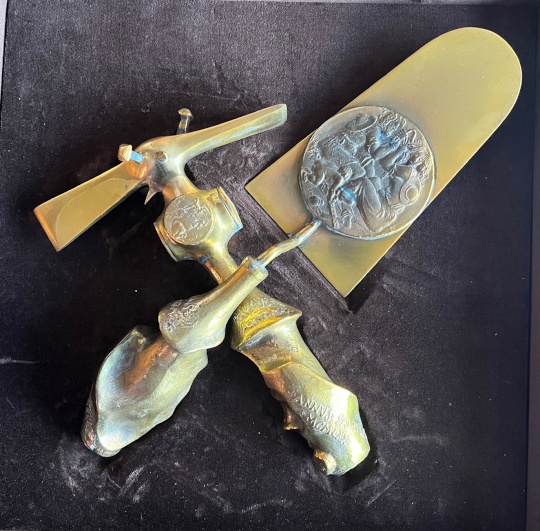
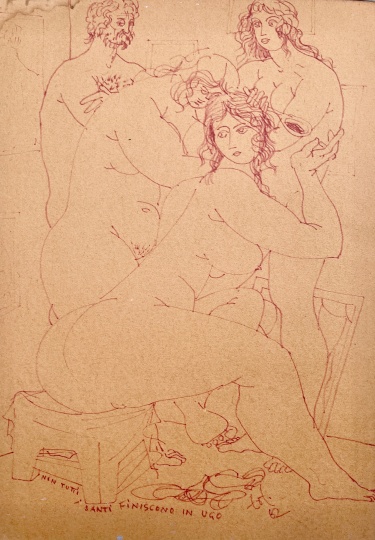
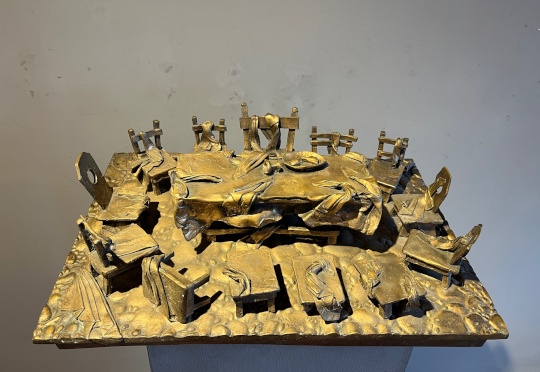
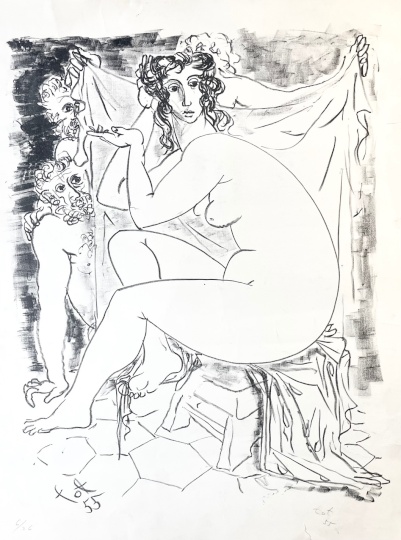
Amerigo Tot (born Imre Tóth, 1909–1984) was a Hungarian-born sculptor and artist who spent most of his working life in Italy. His work encompasses figurative sculpture, monumental art for buildings, drawing and ceramics.
Born: ,
Fehérvárcsurgó. Died: , Rome.Name, family and training
Imre Tóth was born in Fehérvárcsurgó on 27 September 1909 to Imre Tóth and Zsófia Naszályi. His family moved to Budapest in the early 1920s. He began using the name Amerigo Tot during the Skanderbeg competition in Rome in 1937. He studied applied arts in Budapest. The research chronology names Ferenc Helbing, György Leszkovszky and Károly Weichinger among his teachers. His period at the Bauhaus in Dessau falls around 1930–31. After Dresden he reached Rome in 1933, studied briefly with Angelo Zanelli and then received a scholarship to reside at the Collegium Hungaricum. The historical name forms and educational record merit further archival checking.
Rome and the war years
After arriving in Rome in 1933, Tot initially supported himself through portrait drawing and occasional jobs. His studies with Angelo Zanelli and his subsequent residence at the Collegium Hungaricum helped shift his focus from drawing to sculpture. His interest in Donatello, Renaissance relief and ancient forms can be traced in early portraits and sculptural work. In 1937 he won a competition for an equestrian monument to Skanderbeg in Albania, but political events prevented the large project from being realised. During the Second World War he undertook courier work connected with the Italian resistance. Individual details of these wartime episodes invite further archival verification.
Figure, abstraction and architecture
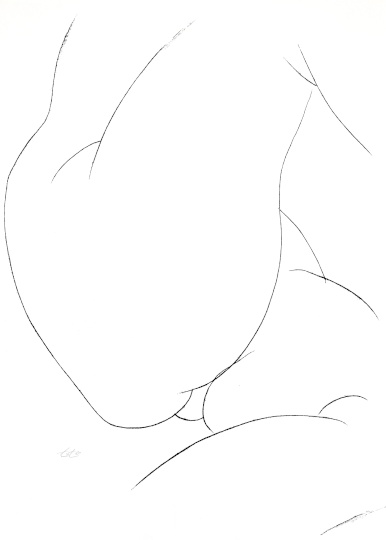
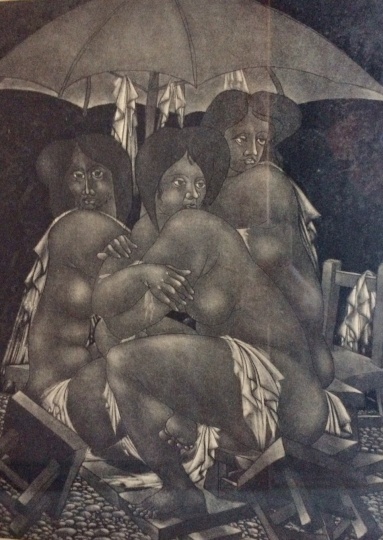
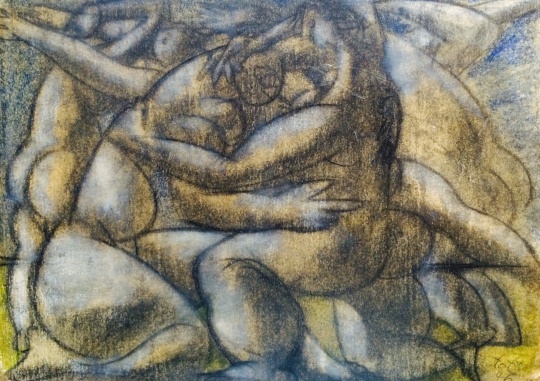
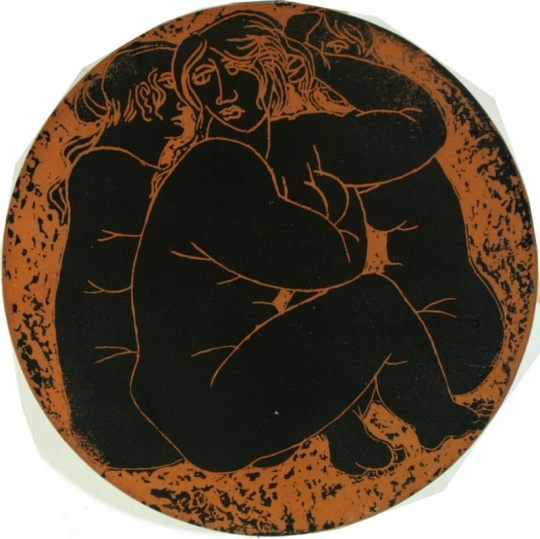
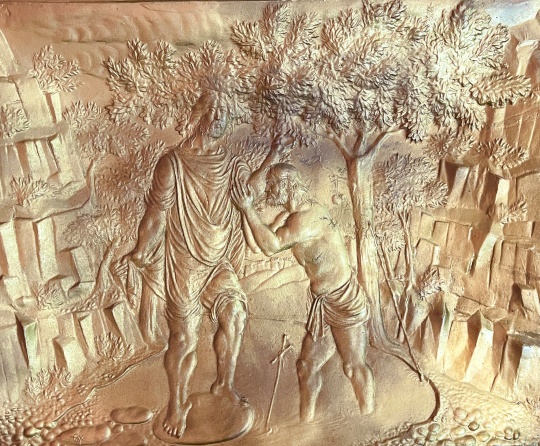
After early portraits, religious reliefs and female figures, archaic forms and the Pebble Women came to the fore in the 1940s. From the 1950s he explored organic and geometric forms, concrete, metal reliefs and commissions connected with buildings. The façade frieze of Rome’s Termini station, completed in 1953, is among his best-known works. Drawings, sketches, models, casts and installed works are distinct object types; they should not automatically be treated as the same example. Tot also worked in ceramics in Vietri sul Mare and taught at the Academy of Fine Arts in Bari from 1971.
The postwar studio and the Pebble Women
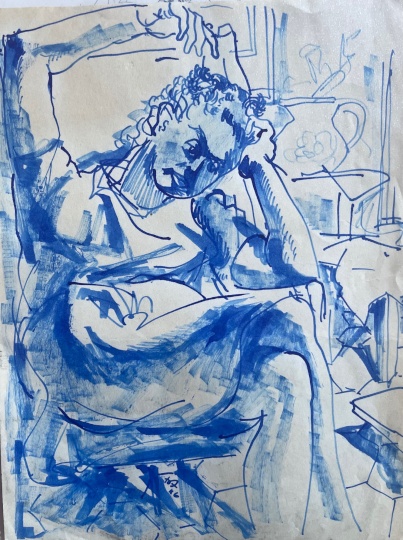
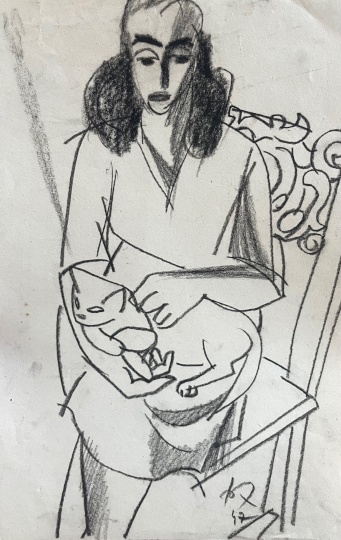
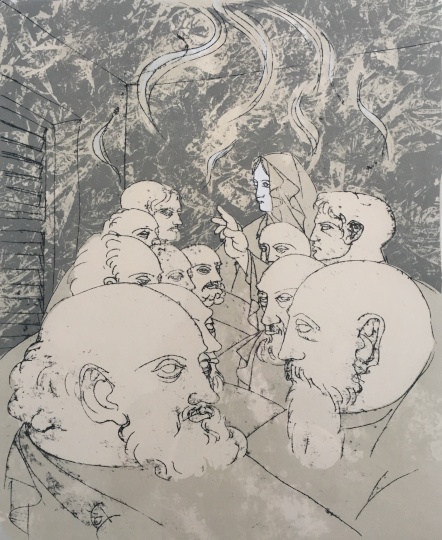
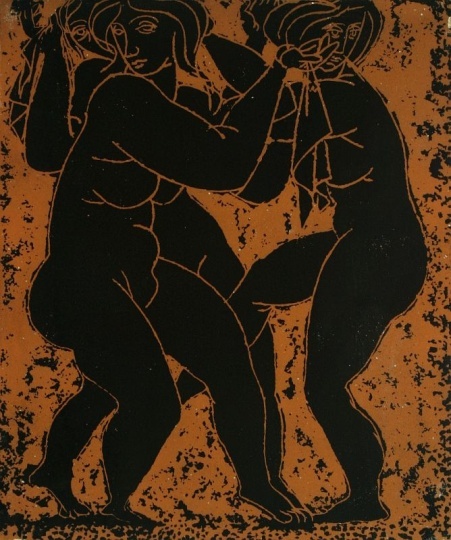
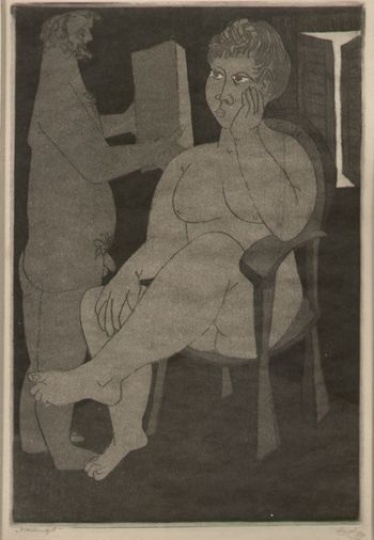
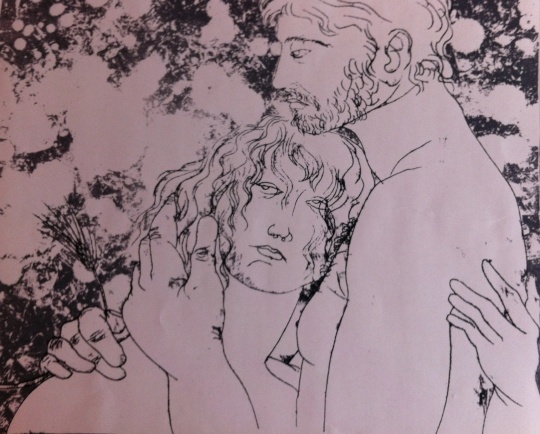
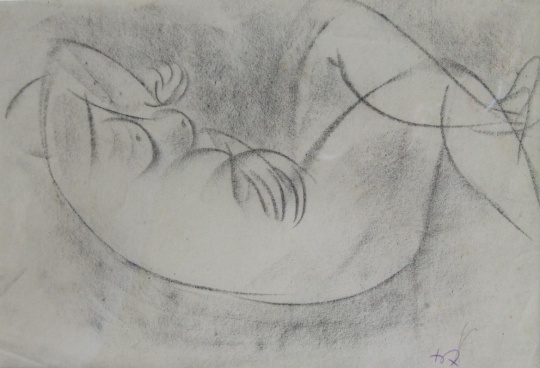
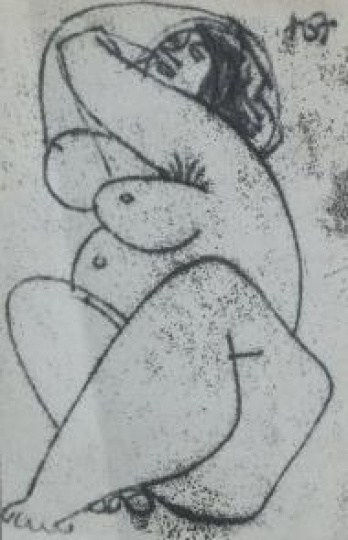
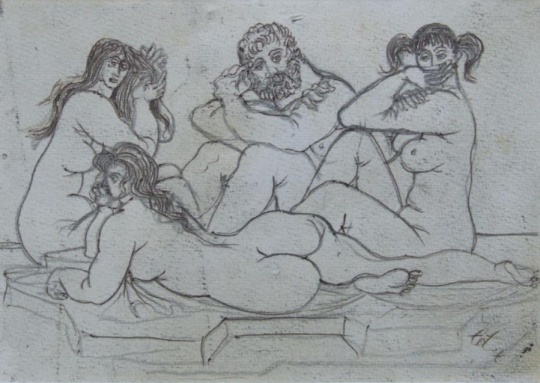
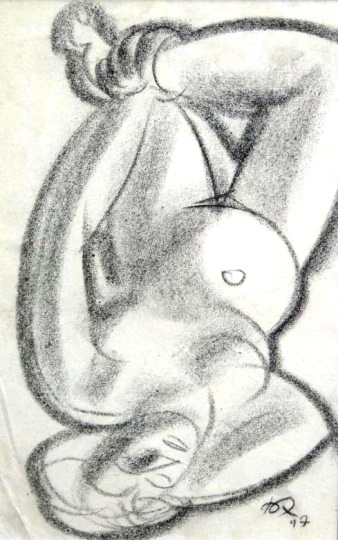
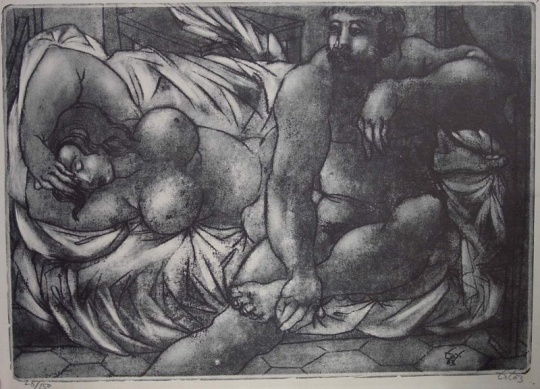
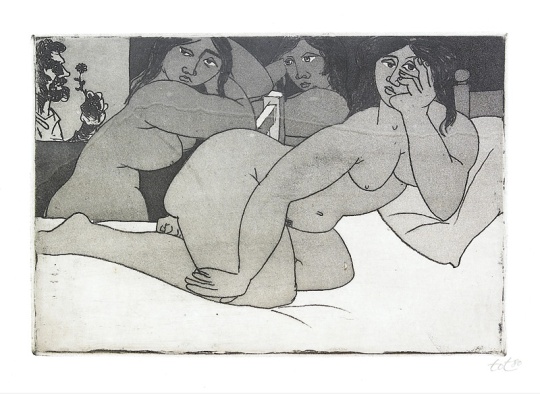
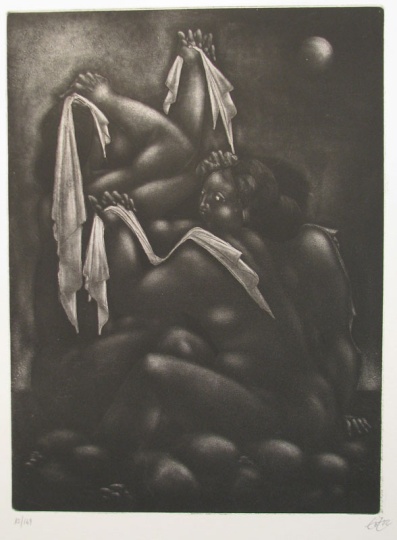
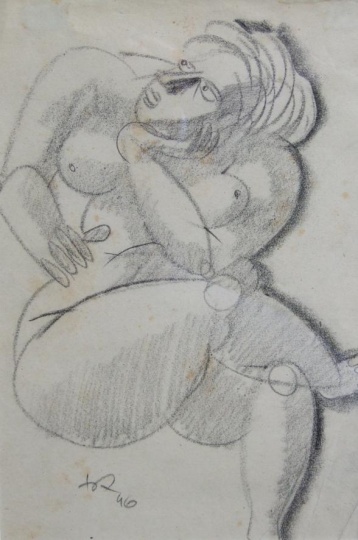
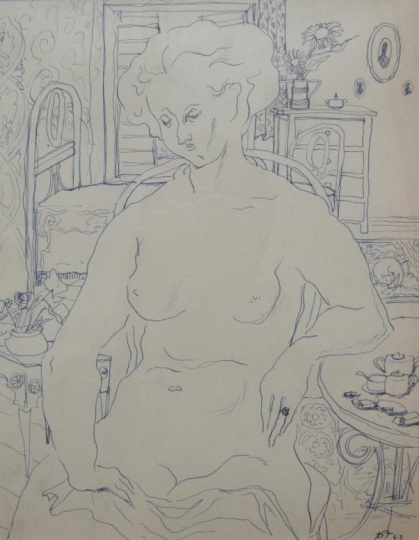
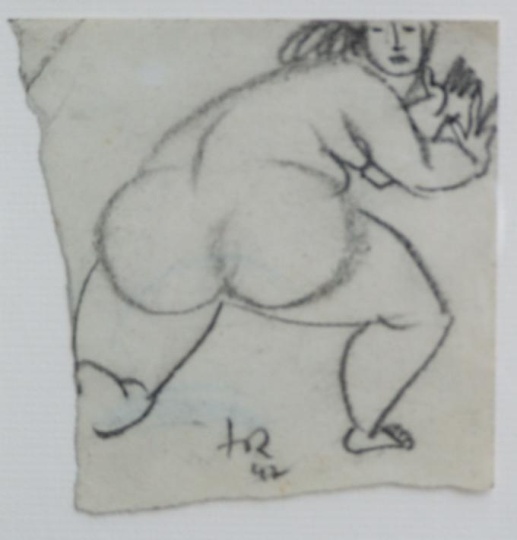
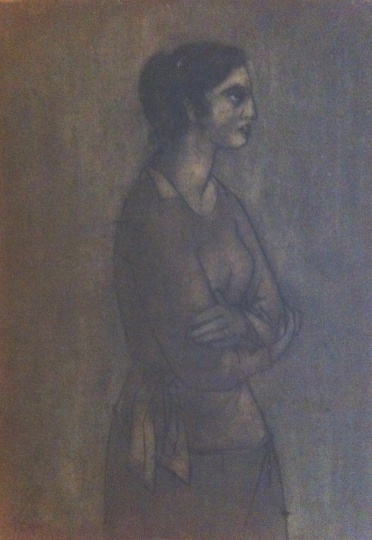
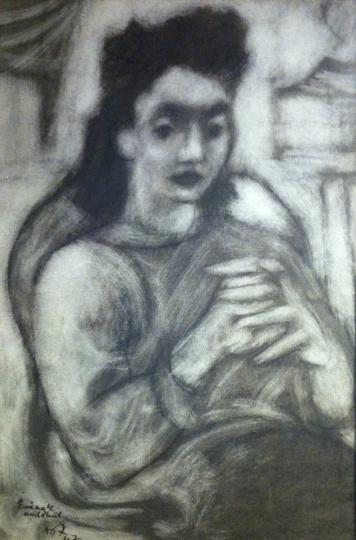
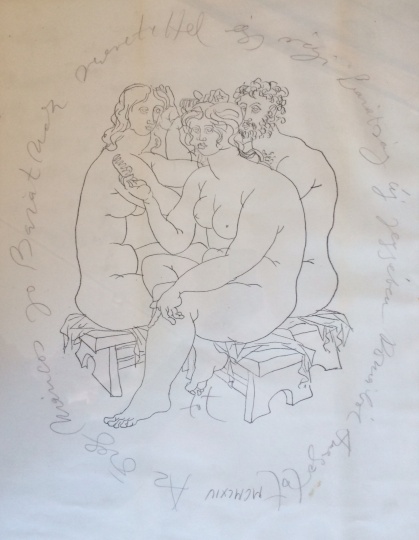
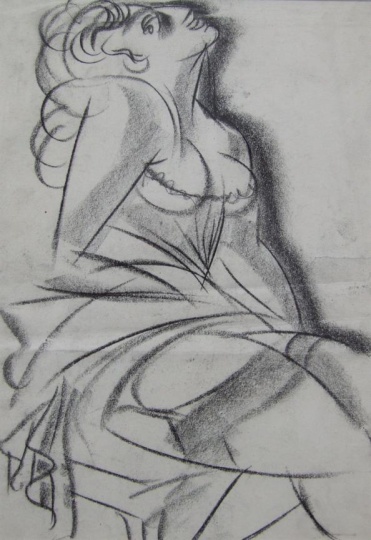
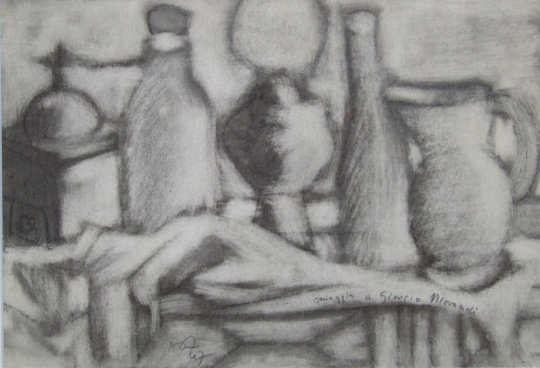
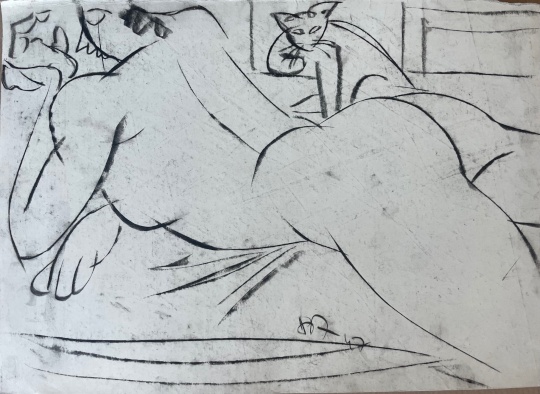
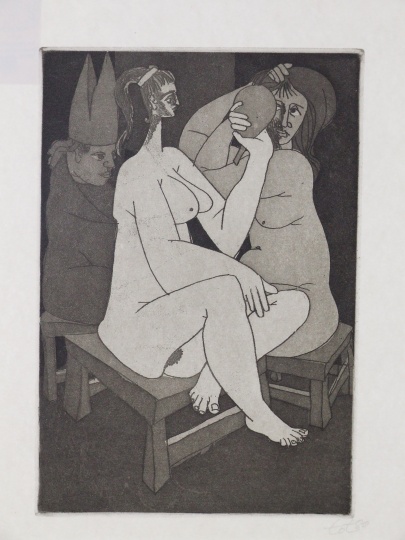
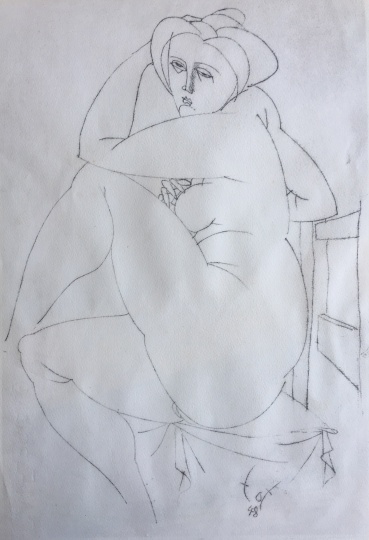
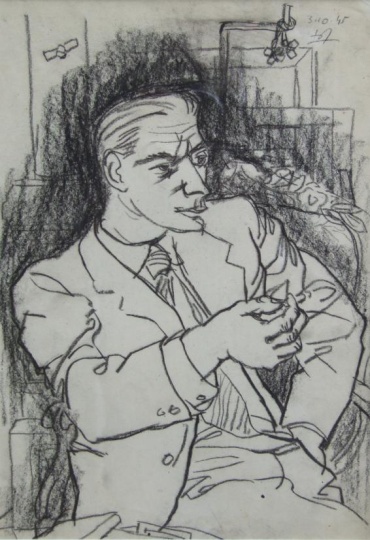
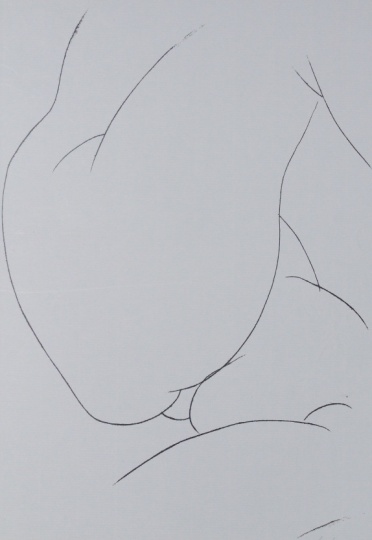
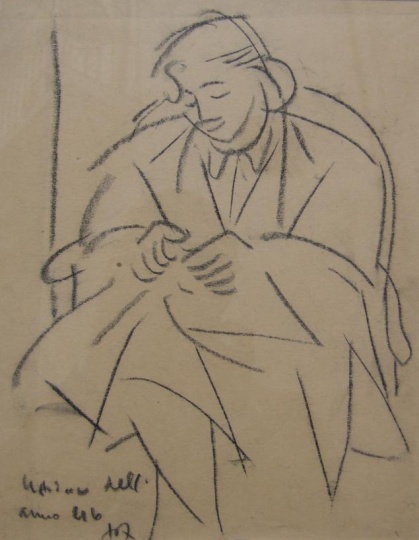
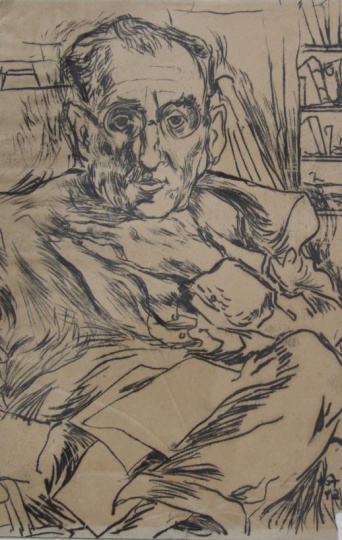
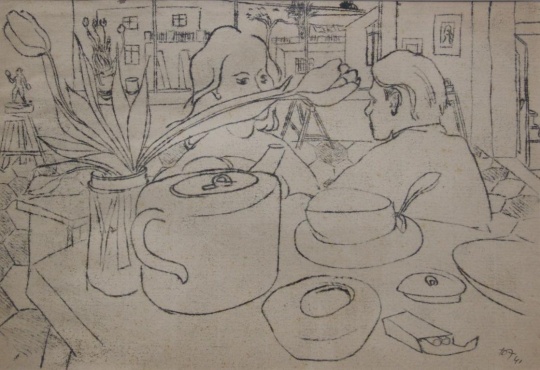
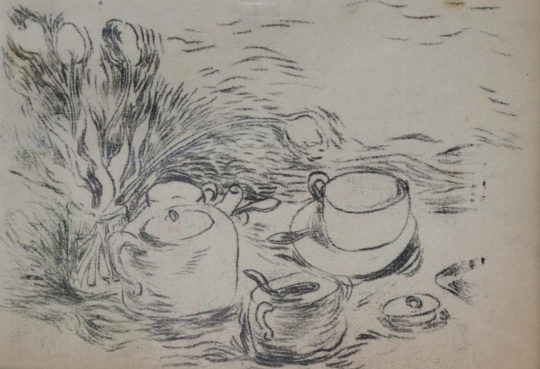
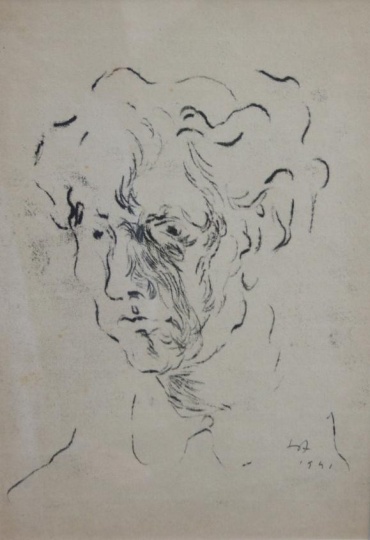
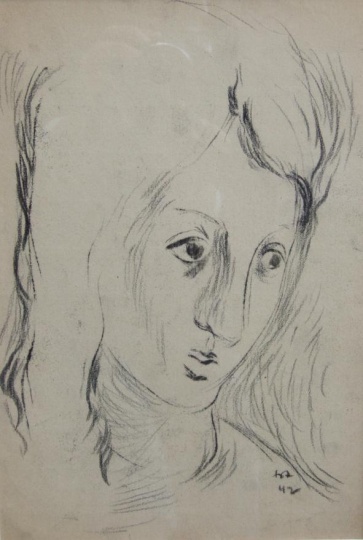
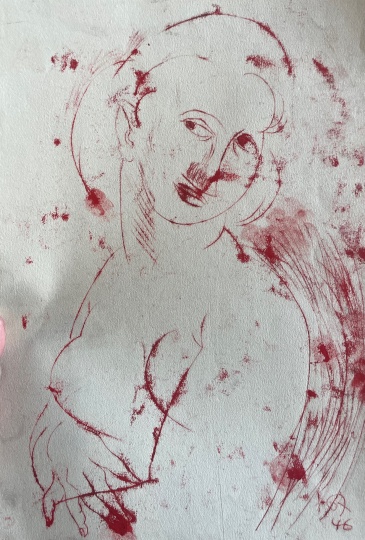
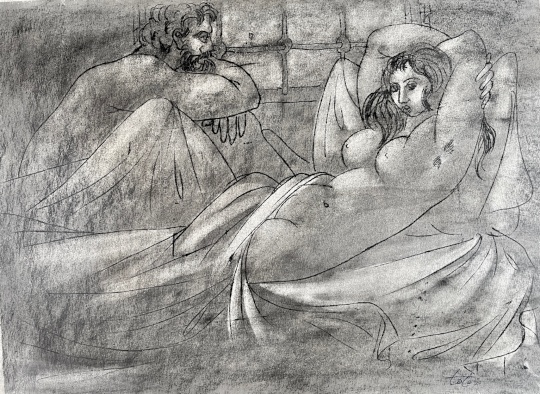
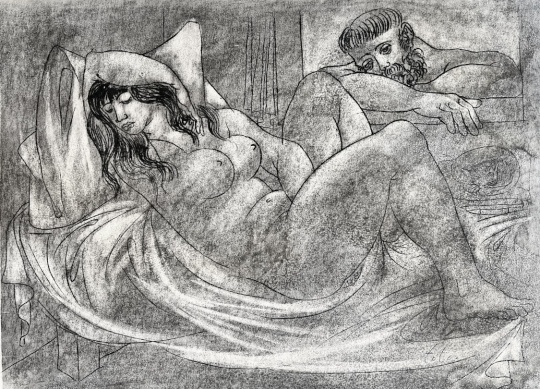
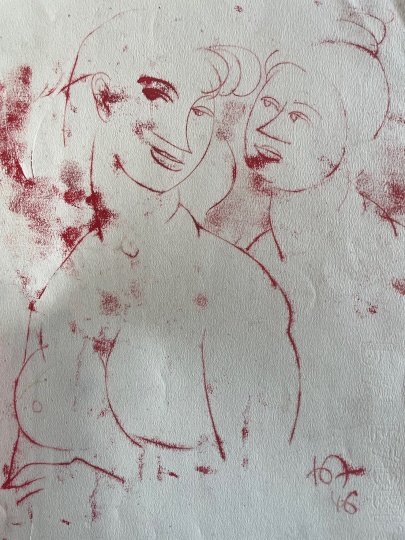
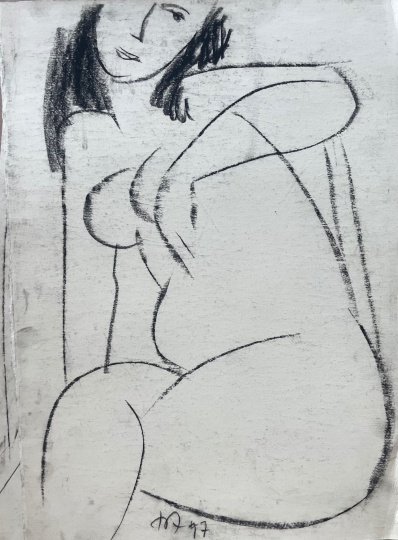
In the second half of the 1940s, Tot’s Via Margutta studio produced portraits, seated and standing figures and female forms with an archaic character. He met the painter Eva Fischer in 1946; drawings and historical photographs document their relationship. In figures inspired by pebbles, he reduced the body to compact mass, smooth surfaces and a sense of internal movement. Works known under related titles must be distinguished by material, dimensions and casting history. He also made reliefs, literary illustrations and ceramics. A studio drawing may be an independent artwork rather than merely a preparatory record for a sculpture.
Monumental works and materials
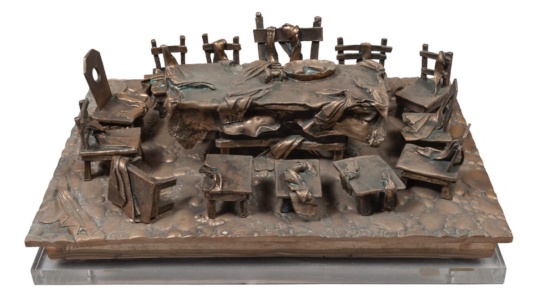
The commission won in 1949 for Rome’s Termini station resulted in a layered façade frieze of anodised aluminium, completed in 1953. Figurative wall decorations at the Bari fairgrounds, designs for doors at the FAO building, work associated with the Palazzo dello Sport and later public sculpture show his engagement with architecture at different scales. Concrete, bronze, aluminium, terracotta and glazed ceramics appear in his work of the 1950s and 1960s. The decoration of the ocean liner Raffaello, the Bandiera brothers’ monument at Cosenza and The Apotheosis of the Seed at Gödöllő involved different processes of commission and execution. Preparatory models and installed works consequently need separate records.
Artistic circles and commissions
In Rome he belonged to the artistic milieu of Via Margutta. He shared a long personal and creative partnership with the painter Eva Fischer. He maintained links with Hungary while working within postwar Italian art. Commissions associated with the FAO building in Rome, the Palazzo dello Sport and the Hungarian chapel in St Peter’s Basilica show the range of his practice. The status of a design and that of a completed work must be checked separately.
Awards, collections and reception
According to the research chronology, Tot received the Premio per Giovani Artisti in 1938, the Premio Saint Vincent in 1946, a sculpture award at the Mostra della Ricostruzione in 1950 and first prize at an agricultural exhibition in Rome in 1956. He was elected a gold-medalled member of the Italian Academy of Sciences in 1978 and received a Hungarian state honour in 1979. His work is represented, among other collections, in the Museum of Fine Arts, Budapest, and the Modern Hungarian Gallery, Pécs. The permanent presentation opened in Pécs in 1978 and the Ludwig Museum’s 2009–10 exhibition reflect changes in his Hungarian reception. He is buried in Budapest’s Farkasréti Cemetery; Miklós Melocco made his tomb monument. At Táncsics Mihály utca 5 in Buda Castle, Koller Gallery maintains a memorial room in Tot’s former home and studio building. [1] [2]
Reception and research
Tot returned to Hungary in 1968 after a long absence. The Budapest, Tihany and Debrecen presentations of 1969, followed by the permanent display in Pécs in 1978, made him widely visible there. The Ludwig Museum’s 2009–10 exhibition Parallel Constructions examined the political and artistic circumstances of that reception. Since 2009, Péter Nemes has organised research on sculpture, drawings, photographs, press material and publications. A matching online title or archival photograph cannot replace examination of the actual object and its provenance. [1]
Works and the art market
Tot’s works appear at auctions in Hungary and abroad. An individual object calls for examination of its medium, dimensions, date, cast or variant, condition, provenance and exhibition and literature references. Historical photographs can assist identification, but a shared motif does not by itself prove the identity of a particular cast. Public auction data do not support a general promise of rising value or a single standard price.
Brief chronology
1909: Born in Fehérvárcsurgó.
1920s: Studies applied arts in Budapest.
1930–31: Bauhaus, Dessau.
1932: First Dresden solo exhibition according to the research chronology.
1933–34: Arrives in Rome; receives a Collegium Hungaricum scholarship.
1937: Uses the name Amerigo Tot during the Skanderbeg competition.
1943–45: Activity connected with the Italian resistance.
1946: Meets Eva Fischer.
1949–53: Termini competition and execution of the façade frieze.
1952, 1956, 1962: Appearances at the Venice Biennale.
1969: Budapest–Tihany–Debrecen exhibition series.
1971: Begins teaching in Bari.
1978: Permanent presentation opens in Pécs.
1983: The Apotheosis of the Seed is inaugurated in Gödöllő.
1984: Dies in Rome.
Amerigo Tot exhibitions
This sourced selection separates exhibitions held during Tot’s lifetime, group appearances and later commemorations. When only a city or an opening date is documented, no title or closing date has been inferred.
Posthumous exhibitions and later presentations
2007 – Mappák Rómából (Folders from Rome)
Hungarian University of Fine Arts, Epreskert, Parthenon Frieze Hall, Budapest
13 November – 1 December 2007. [1]
2007 – Mappák Rómából (Folders from Rome)
Lamberg Castle, Mór.
2009–10 – Amerigo Tot – Párhuzamos konstrukciók (Parallel Constructions)
Ludwig Museum, Budapest
9 October 2009 – 3 January 2010. [2]
2010 – Amerigo Tot (1909–1984): drawings exhibition and opening of the memorial room
Koller Gallery, Budapest
24 September – 14 October 2010. [3]
2011 – Talking Artworks
Koller Gallery, Budapest
8–23 December 2011. [4]
2012 – Amerigo Tot and Eva Fischer: Egy szerelem nyomában (A Story of Love)
Koller Gallery, Budapest
6–31 December 2012. [5]
2020 – A múzeum múzeuma (The Museum’s Museum), Amerigo Tot cabinet exhibition
Janus Pannonius Museum, Modern Hungarian Gallery, Pécs
Opening: . [8]
2023 – From Rome with Love: studio drawings 1946–48
Koller Gallery, Budapest
17 February – 12 March 2023. [6]
Solo and survey presentations during his lifetime
1932 – First solo exhibition
Brücke Gallery, Dresden.
1948 – Solo exhibition
Rome, September.
1962 – Solo presentation at the 31st Venice Biennale
Venice.
1966 – Solo exhibition
New York.
1969 – Survey exhibition
Műcsarnok, Budapest; opening: 24 March.
1969 – Continuation of the Budapest exhibition
Benedictine Abbey, Tihany; opening: 22 June.
1969 – Continuation of the exhibition series
Kossuth Lajos University, Debrecen; opening: 4 October.
1970 – Final stop of the Hungarian exhibition series
Szeged, January.
1970 – Presentation of new sculptures
New York, April.
1973 – Solo exhibition
Palermo.
1978 – Opening of a permanent Amerigo Tot presentation
Pécs.
1982 – Last exhibition in Hungary
Vigadó Gallery, Budapest; 18 March – 18 April.
Selected group exhibitions
1943: 4th Quadriennale, Rome.
1948: 5th Quadriennale, Rome.
1951: 6th Quadriennale, Rome; December.
1952: 26th Venice Biennale, Italian pavilion.
1955: 7th Quadriennale, Rome; November.
1956: 28th Venice Biennale.
1959: 8th Quadriennale, Rome.
1963: Actualité de la Sculpture, Paris.
1971: Modern olasz szobrászat, Műcsarnok, Budapest; January. [7]
1978: Small Sculpture Biennale, Pécs.
Further international presentations
1950: Presentations without documented titles in Switzerland, Denmark and Sweden.
1954: Exhibition in Bologna.
1962: Presentation without a documented title in London.
Amerigo Tot – bibliography
The list brings together the books and exhibition catalogues identified online in the present research. It is not a closed bibliography of every journal article, newspaper report and book chapter published on Tot. Missing imprint details require verification against physical copies.
1950. Emilio Villa: Sculture e disegni di Tot. Rome: La palma, [3] + 43 pages. [source]
1954. Emilio Villa: Tot. Rome: La palma, 41 + [16] pages and 32 plates. [source]
1969. Tot I Tihany I 69. Kulturális Kapcsolatok Intézete, 60 pages.
1976. Amerigo Tot. Publisher not identified, 136 pages.
1978. Tot. Carte Segrete, 142 pages.
1979. Amerigo Tot szobrai: Modern Magyar Képtár, Pécs. Text and editing: Tamás Aknai. Pécs: Janus Pannonius Múzeum, 28 pages. [source]
1982. Amerigo Tot szobrászművész kiállítása a Magyar Népköztársaság Művészeti Alapjának kiállítótermében. Edited by Zsuzsa D. Fehér. Budapest: Vigadó Galéria, [16] pages. [source]
1982. Éva Hárs: Modern művészet a pécsi múzeumokban. 1. Önálló gyűjtemények: Amerigo Tot szobrai, Csontváry Múzeum, Martyn-gyűjtemény, Uitz Múzeum, Vasarely Múzeum. Budapest: Képzőművészeti Kiadó, 30 pages. [source]
1983. Tot – Amerigo Tot. Idegenforgalmi Vállalat, 174 pages.
2007. Mappák Rómából, exhibition catalogue. Publisher and extent to be checked. [source]
2009. Amerigo Tot, 210-page publication. Publisher details to be checked.
2009. Amerigo Tot. Párhuzamos konstrukciók. Edited by Emese Kürti and József Mélyi. Budapest: Ludwig Múzeum, 117 pages; ISBN 978-963-9537-22-4. [source]
2012. Siesta. Institutional publication, 40 pages.
2014. Amerigo Tot – Questing in Italy. Institutional publication, 268 pages.
2019. Amerigo. Budapest: Európa Kiadó, 360 pages.
An earlier online list gives 100 pages for the 1954 Tot, while a museum library describes 41 + [16] pages and 32 plates. The 210-page Amerigo Tot of 2009 has not been assumed to be the Ludwig Museum’s separately documented 117-page catalogue. For the Pécs catalogue Amerigo Tot szobrai, a regional bibliography gives [1979] and Tamás Aknai; another online account gives 1978 and a different name. The copy’s imprint needs checking.
Bibliographic records
Sources and differing accounts
Biographical sources
Sources differ between 1920 and 1921 for the move to Budapest and between 1931 and 1932 for the first Dresden exhibition. We describe the move as taking place in the early 1920s and follow the detailed research chronology in dating the exhibition to 1932. Teacher lists also differ between Gyula Kaesz and Károly Weichinger; student records may clarify this point.
Exhibition sources
- Hungarian University of Fine Arts – Mappák Rómából
- Ludwig Museum – Parallel Constructions
- Koller Gallery – Amerigo Tot, 2010
- Koller Gallery – Talking Artworks, 2011
- Koller Gallery – A Story of Love, 2012
- Koller Gallery – From Rome with Love, 2023
- Filmhíradók Online – Modern olasz szobrászat, 1971
- Janus Pannonius Museum – A múzeum múzeuma, 2020