History of the Koller Gallery and Auction House - SINCE 1953
The Koller Gallery and Auction House is Hungary's oldest continuously operating private art gallery and was founded in 1953 by György Koller (1924-1996) . During a period of profound political and economic change, his aim was to preserve significant works of Hungarian art, place them in their scholarly context, and make them accessible to an interested public. Since 2021, the Koller Gallery has expanded its activities to include its own art auctions and, alongside its exhibition programme, has also operated as an auction house specialising in classical, modern and contemporary Hungarian art.
THE ROOTS OF THE KOLLER GALLERY
In its early years, the gallery developed from the Community of Copper Engraving Artists (Rézkarcoló Művészek Alkotóközössége – RMAK), founded in 1950, into an important platform for artists and collectors. Despite the restrictive conditions of the time, the initiative established a lasting presence in the Hungarian art market. In 1980, the first formal private gallery was opened in the former studio house of the Hungarian-Italian sculptor Amerigo Tot. From that point onwards, the Koller Gallery presented sculptures and paintings in addition to graphic works. Over the following decades, its exhibition activities expanded continuously, and the gallery became an established institution in Budapest's Castle District. Following the death of György Koller, the gallery has been continued by his grandson Daniel Köster and gradually modernised. Online sales were introduced in 2018, and since 2021 the Koller Gallery has organised its own auctions focusing on classical, modern and contemporary Hungarian art. Today, the Koller Gallery combines historical continuity with international art-market expertise, scholarly collaboration, and contemporary auction and exhibition activities.
Koller Gallery and Auction House – at a glance
Founded: 1953 in Budapest
Location: Táncsics Mihály utca 5., 1014 Budapest, Budapest Castle District
Activities: art gallery, art dealership and auction house
Auctions: own art auctions since 2021
Focus: Hungarian art from the 19th to the 20th century, with particular emphasis on modern and contemporary Hungarian art
Services: exhibitions, art auctions, art valuation, acquisition of artworks, private sales and auction consignments
Auction platform: auctions.kollergaleria.hu
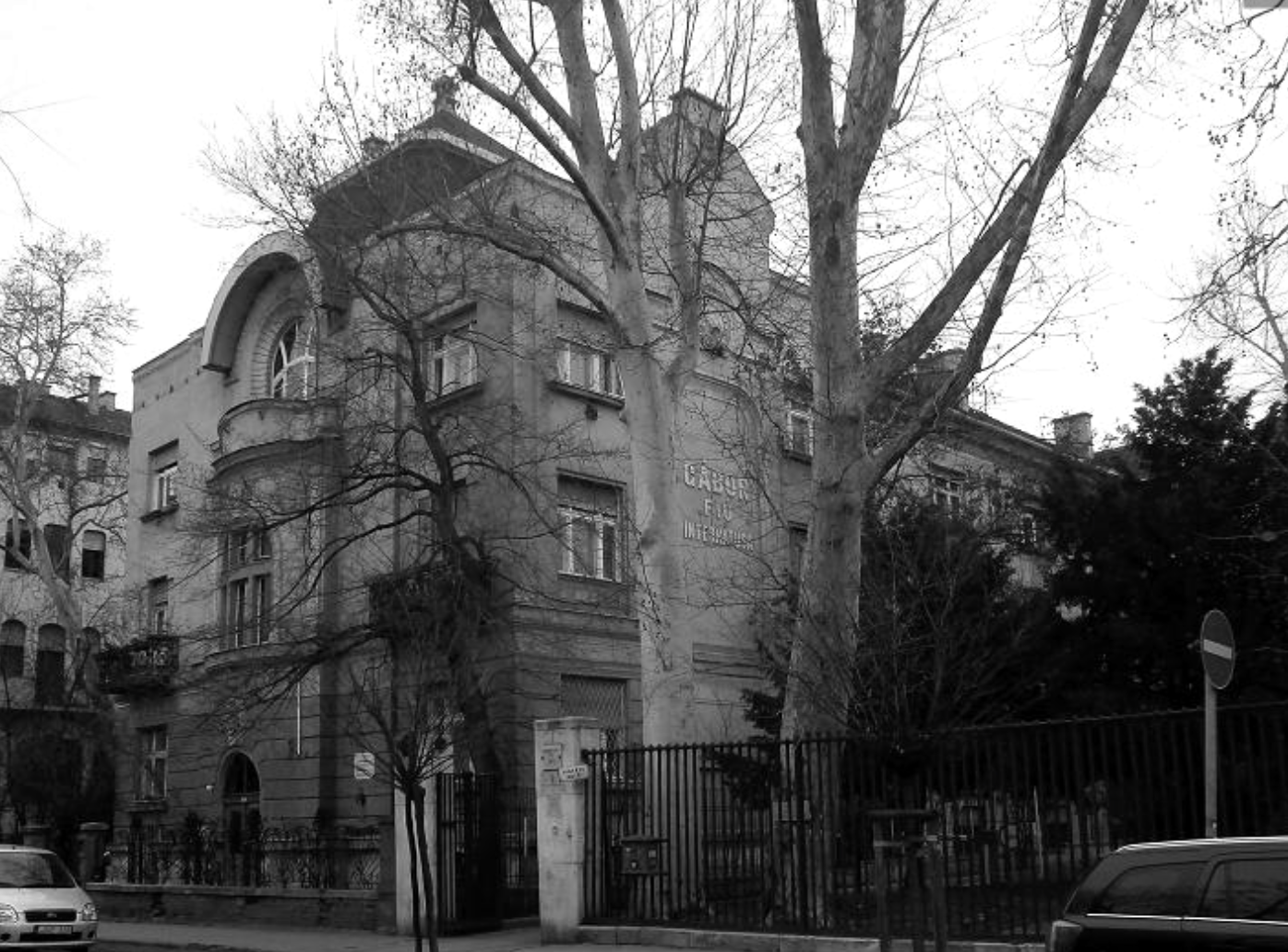
The Foundation
As early as 1950, the RMAK art association (the legal predecessor of our gallery) was founded at 21 Munkácsy Mihály Street.
Foundation at 21 Munkácsy Street
In this gradually improving environment, György Koller decided in 1950, in accordance with the laws then in force, to establish the Association of Copper Engraving Artists (“RMAK”). Precisely because the association operated with considerable success within the communist system after its initial phase, it came under observation and was even temporarily nationalised in 1952. Eventually, however, with the support of István Csók, István Szőnyi, Oszkár Glatz and others, the association gained the goodwill of the then Deputy Prime Minister Ferenc Erdei and was therefore permitted to continue its activities, albeit under strict conditions, from its premises in Munkácsy Mihály utca. Thanks to its commitment to the highest standards of quality and authenticity of the artworks, the association quickly became a recognised name in Hungarian artistic life and the art trade, not least because artists enjoyed considerably greater freedom and personal support through the association than was possible from state institutions.
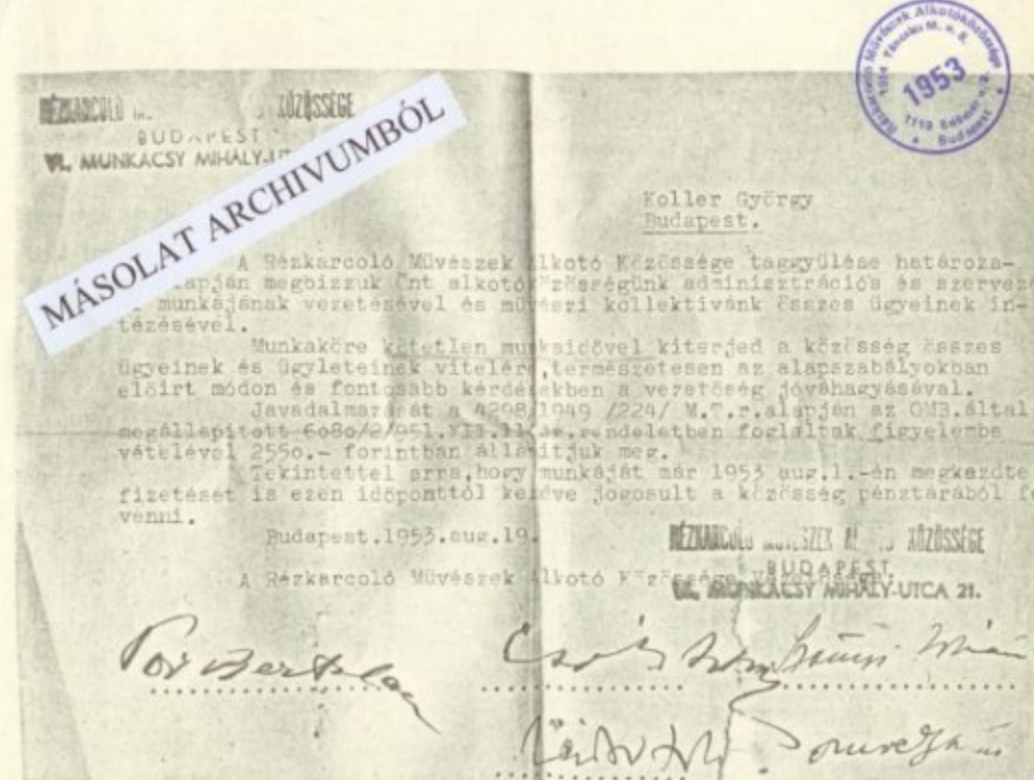
The 1953 Document
In 1953, György Koller was entrusted with managing the association for the first time. He subsequently developed it into a gallery — which is why we regard 1953 as our founding year.
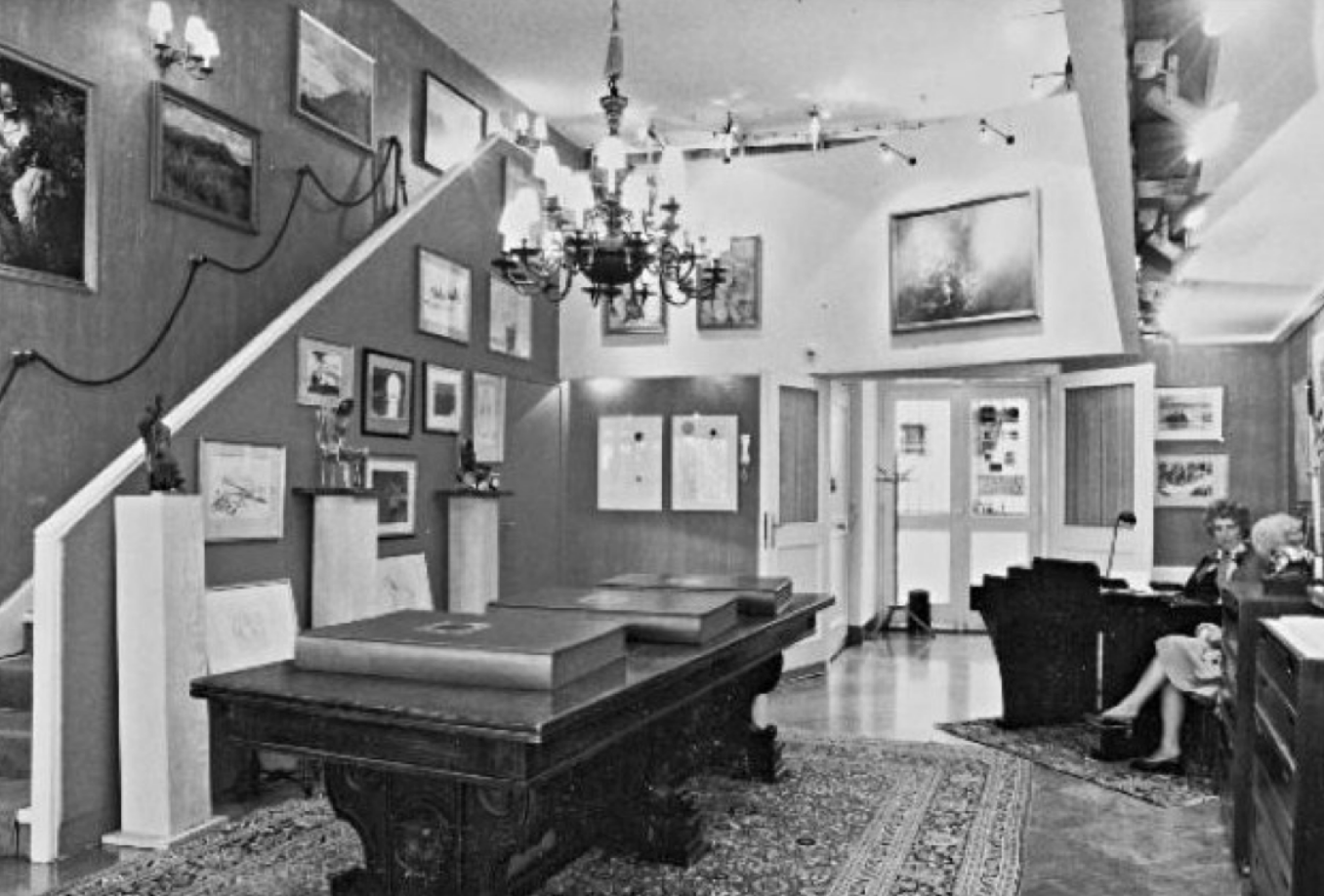
Relocation to the Castle District
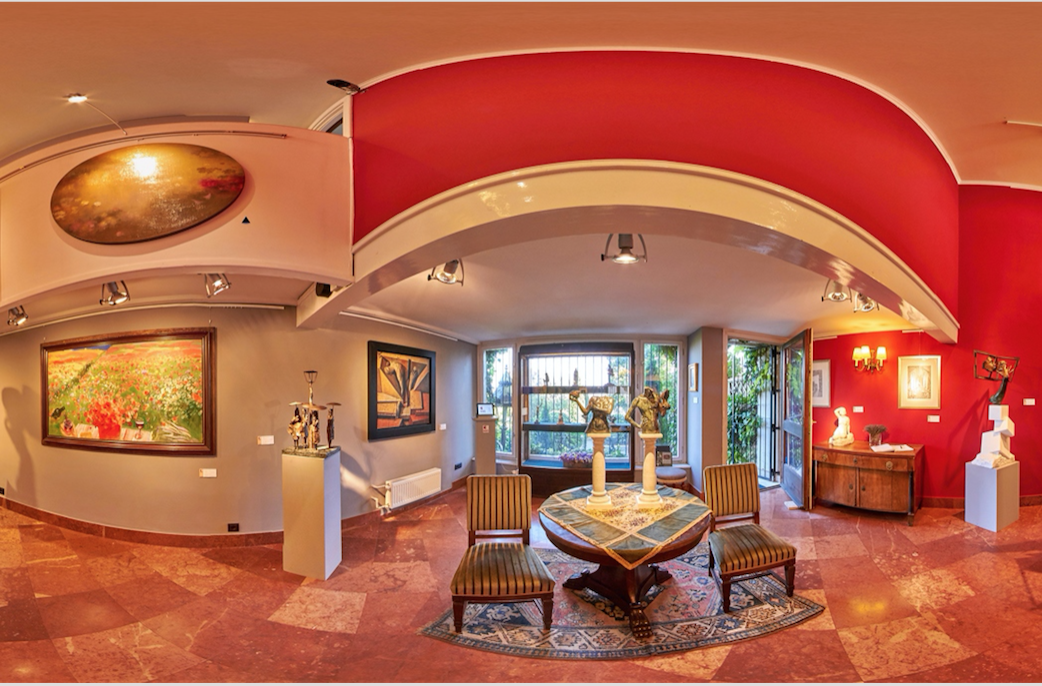
Since 1980, our gallery has welcomed visitors and clients in Budapest’s elegant Castle District.
Relocation to Buda Castle
In 1980, Hungary’s first private gallery was opened in the studio house of Amerigo Tot, the Italian-Hungarian artist, in the elegant Buda Castle District. From that point onwards, the gallery was granted permission to present and sell not only graphic works, but also sculptures, small-scale sculptures and paintings. As early as 1984, it also established an exhibition and sales space in the Hungarian National Gallery, further strengthening its cooperation with state institutions. Additional exhibition spaces were opened in Petőfi Sándor utca and at the Hilton Hotel in Buda, enabling outstanding Hungarian art to be presented to an even wider audience. By organising exhibitions abroad as well — including exhibitions of János Kass in London, Imre Varga in Venice, Vienna, Basel and Paris, and Miklós Melocco in Hamburg — the gallery also helped enhance the reputation of contemporary Hungarian art both at home and internationally. György Koller, the founder of the gallery, passed away in 1996.
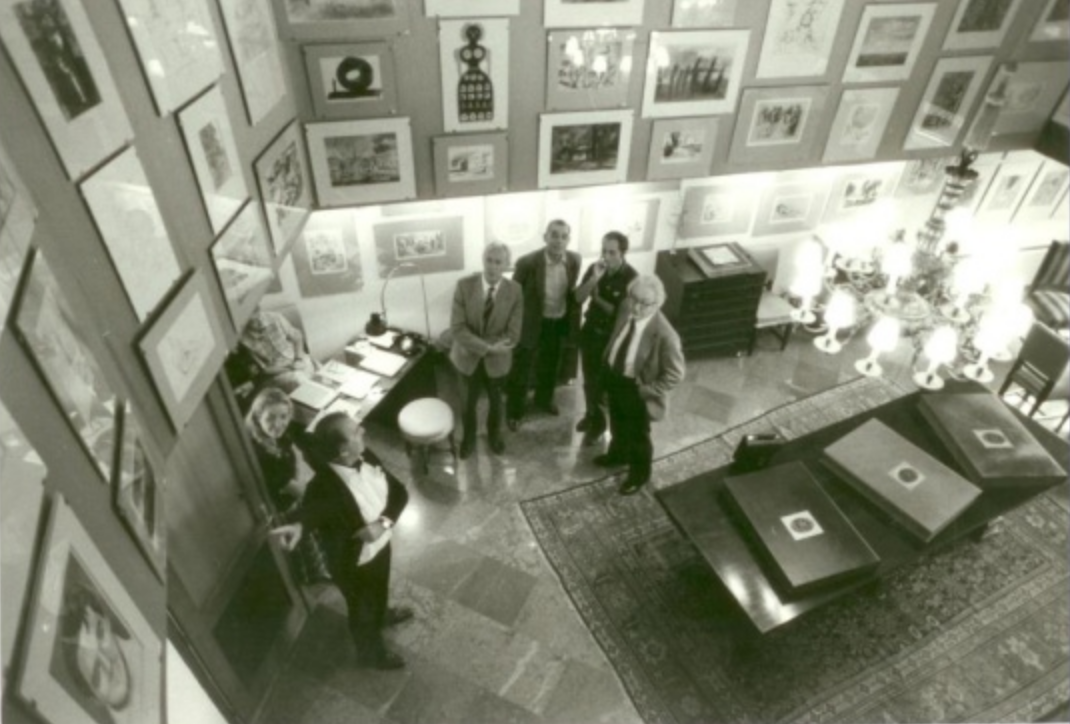
György Koller (1924-1996)
He always sought to create ideal conditions for the artists he represented.
The Family Tradition
Following the death of György Koller, his grandson Daniel Köster took over the gallery in 2006.
Continued International Expansion
Following the death of György Koller, the management of the Koller Gallery was entrusted to a deputy managing director. In 2006, the gallery was taken over by a member of the family, Daniel Köster, the grandson of György Koller. For decades, the gallery’s objective has remained unchanged: to represent Hungarian modern and contemporary art at the highest level. As the only gallery with more than 70 years of continuous presence on the Hungarian art market, we have built a loyal and returning collector base both in Hungary and internationally.

Online Sales
Since 2018, keeping pace with the changing demands of the times, we have introduced online sales in cooperation with Hungary’s largest bank.
Online Auctions
Since 2021, we have introduced Koller Auctions for our clients, adding another important milestone to our sales activities.