Czene, Béla (1911 - 1999)
BiographyARTWORKS FOR SALE
WE ARE CURRENTLY SEEKING THE ARTIST’S WORKS FOR OUR UPCOMING AUCTIONS
The artist’s works are regularly featured in our auctions. For our upcoming auctions, we examine and evaluate suitable works based on photographs free of charge and without obligation. We then provide a recommendation for the most suitable sales method, whether by auction, consignment sale, or direct purchase for cash.
REQUEST CONSIGNMENT FOR THE NEXT AUCTION » | START FREE PHOTO-BASED VALUATION »
Biography
Béla Czene – Biography and Art
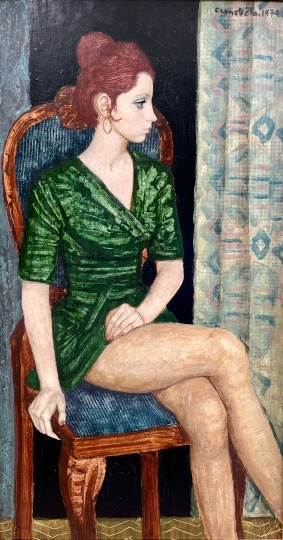
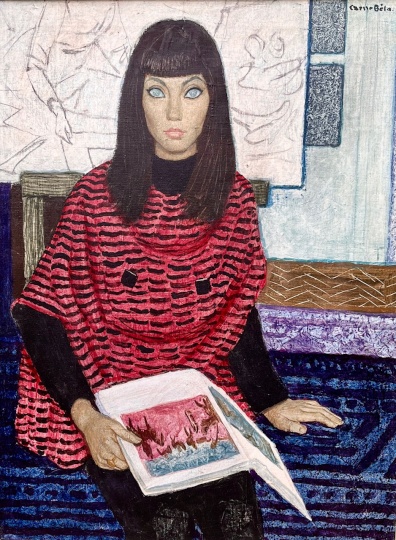
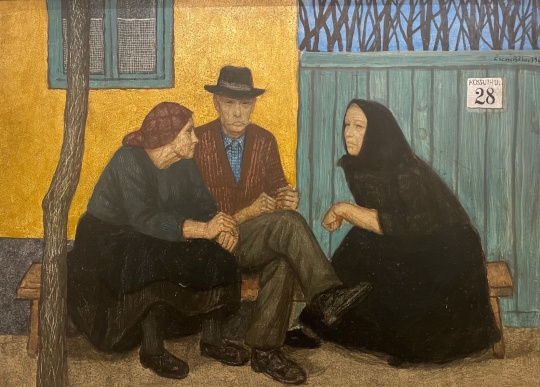
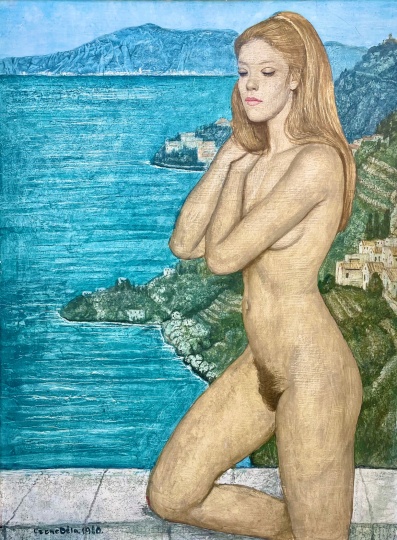
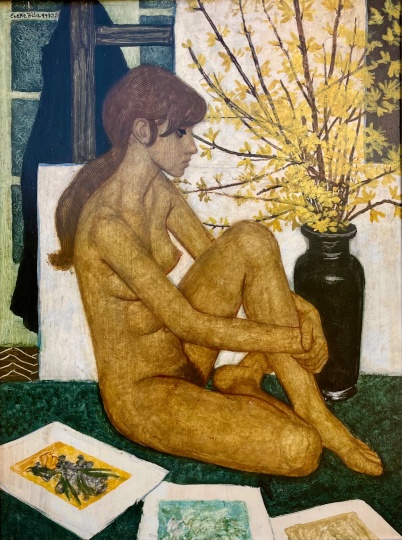
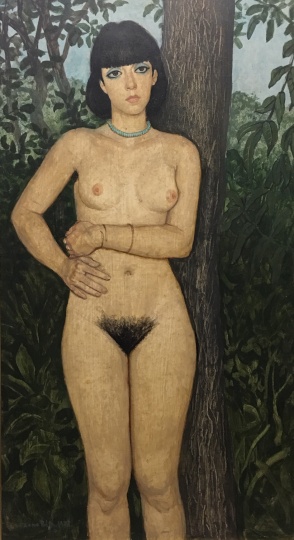
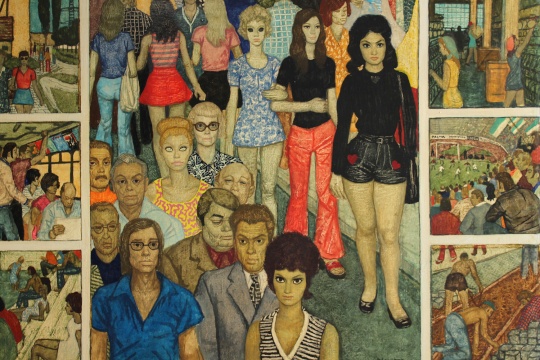
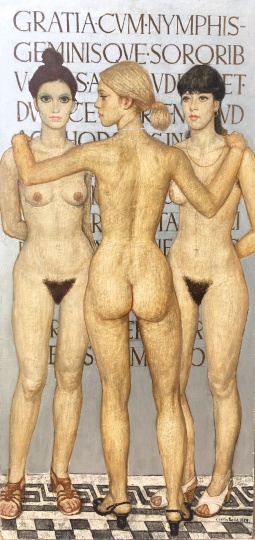
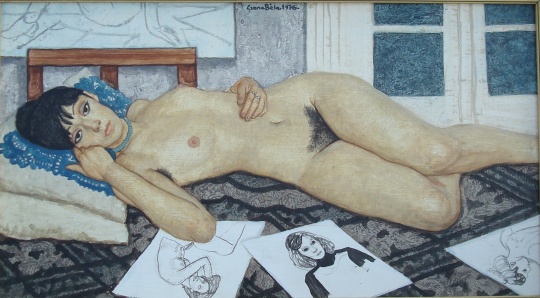
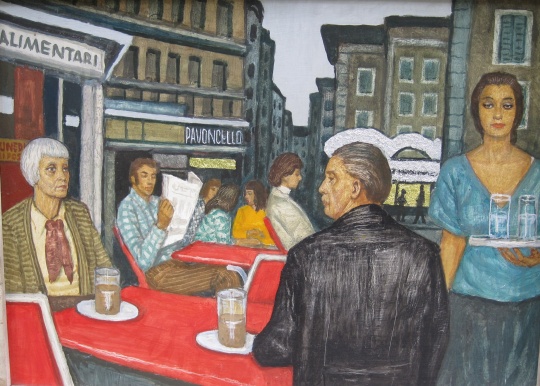
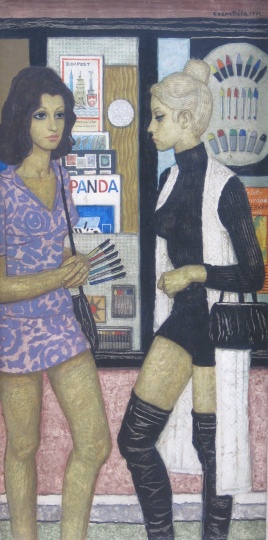
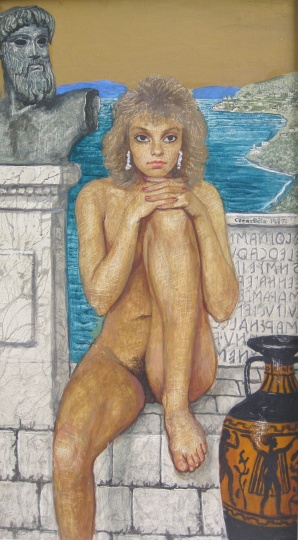
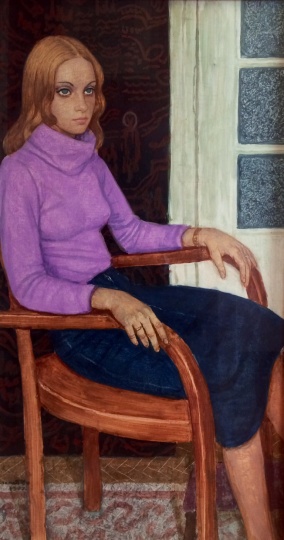
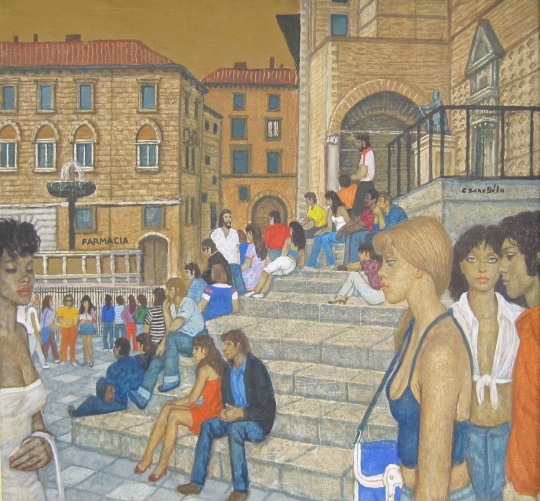
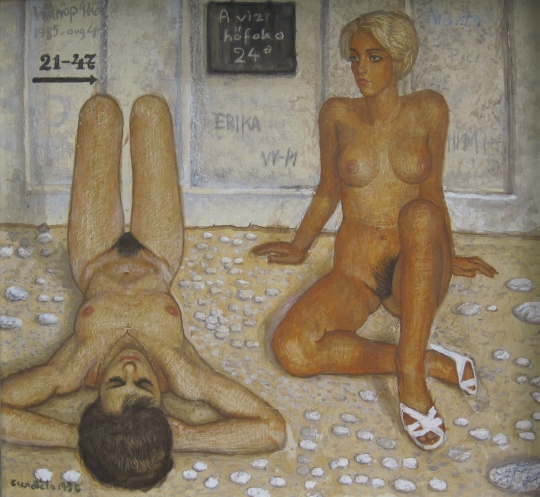
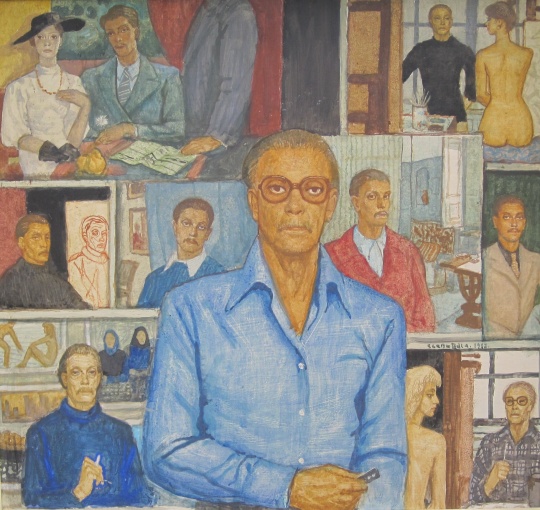
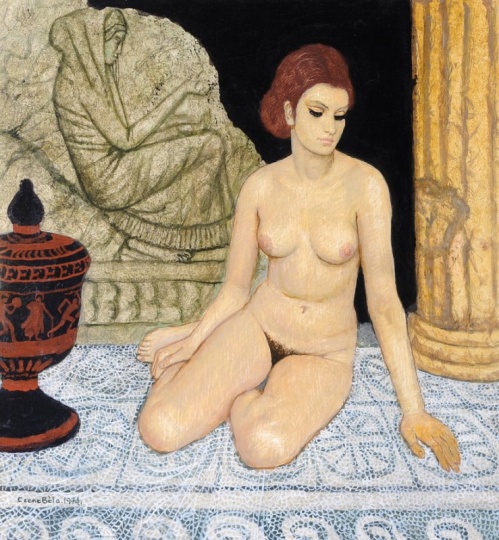
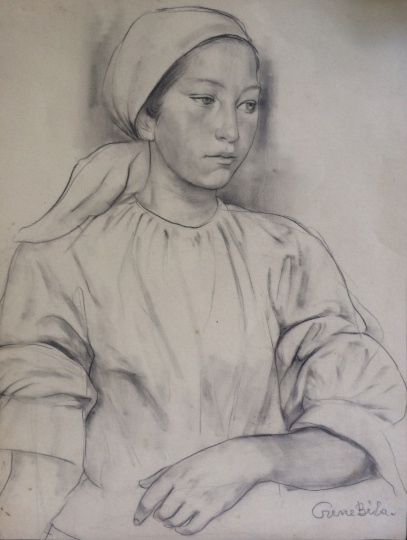
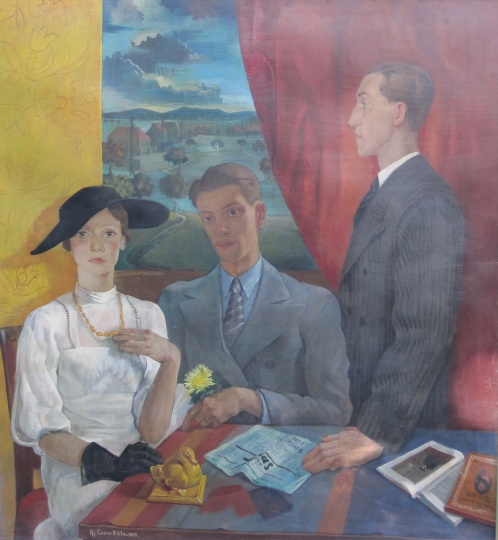
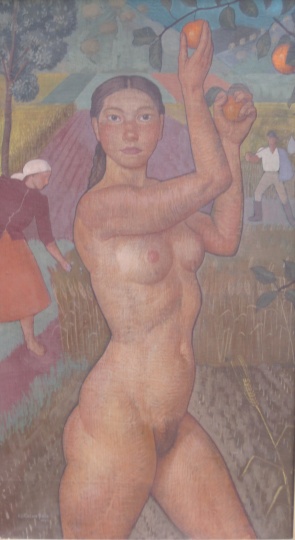
Béla Czene (1911–1999) was a Hungarian painter and a distinctive figure in figurative painting associated with the traditions of the Hungarian Roman School. He combined classical, Renaissance-inspired depictions of the human figure with the everyday world of the 20th century. His work encompasses portraits, mythological and biblical subjects, rural scenes, urban life, portraits of women and nudes. His later paintings capture the characteristic imagery of Hungarian and Italian city life, fashion and modern female beauty.
Béla Czene: Key Biographical Facts
- Born: , Isaszeg .
- Died: , Budapest .
- Occupation: painter.
- Education: Hungarian College of Fine Arts, as a pupil of Gyula Rudnay; Hungarian biographical sources give the period as 1930–1933.
- Scholarship in Rome: Collegium Hungaricum, 1938–1939, on the recommendation of Tibor Gerevich.
- Name variants: Czene Béla and ifj. Czene Béla (Béla Czene the younger).
Family and Artistic Legacy
Czene came from a family of artists: his father, also named Béla Czene, and his brother János Czene were painters. His wife, Erzsébet Hikádi (1911–2008), was also a painter; his son Gábor Czene and granddaughter Márta Czene are likewise visual artists. The Hungarian name “ifj. Czene Béla” distinguishes the artist born in 1911 from his father, Béla Czene the elder.
The family played an important role in preserving his work. According to Péter Molnos’s account from 2022, the artist’s estate retained drawings, photographs and written documents alongside paintings. This studio material is an important source for research into his working methods and career. [5]
Education and Scholarship in Rome
Czene studied at the Hungarian College of Fine Arts under Gyula Rudnay. He was already exhibiting regularly in the early 1930s and gradually moved towards the classicising approach of the Hungarian Roman School. On the recommendation of art historian Tibor Gerevich, he received a scholarship to the Collegium Hungaricum in Rome and stayed in Italy with his wife in 1938–1939.
His time in Rome deepened his interest in ancient art, the Renaissance and fresco painting. Leonardo da Vinci, Domenico Ghirlandaio, Francesco del Cossa and Piero della Francesca, as well as contemporary Italian Novecento painting, influenced his work. These connections also remain evident in his later compositions depicting everyday subjects.
Different dates in the sources: Hungarian biographies give his period of study as 1930–1933, while the Buchheim Museum biography cites 1930–1935 and states that he left the college without graduating. [2]
Periods and Characteristic Subjects
The 1930s: Classical Figurative Painting
His early work is characterised by portraits, self-portraits, and mythological and biblical subjects. Clear compositional structure, emphatic drawing and classical figure modelling were already present before his scholarship in Rome. The Roman School therefore provides a broader context for his development, rather than being solely a consequence of his stay in Italy.
The Early 1940s: Folk Culture and Rural Life
After returning to Hungary, he increasingly focused on rural life and Hungarian folk culture. He and his wife made study trips to places including Romhány, Bánk, the Kalotaszeg region and the area around Lake Balaton. He combined depictions of traditional dress and agricultural labour with linear, decorative and often fresco-like painting. [3] [4]
War and the 1950s
According to the Buchheim Museum biography, Czene served in the military around 1944 and subsequently became a Soviet prisoner of war, painting portraits of officers in captivity. After the war, he joined the Communist Party, participated in art education for workers and turned for a time towards Socialist Realism. Political expectations and his own initial hopes for society both shaped this period. Following disillusionment around 1956, he led a more withdrawn life. [2]
From the 1960s: Urban Scenes, Portraits of Women and Nudes
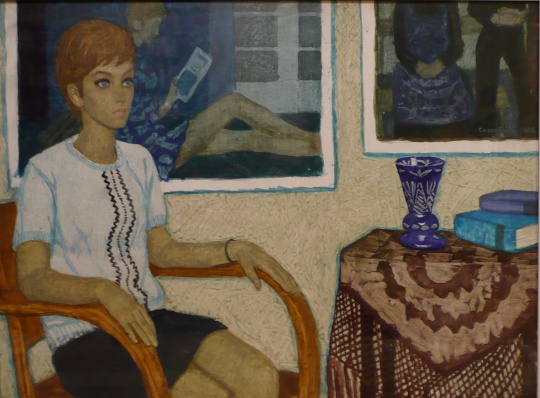
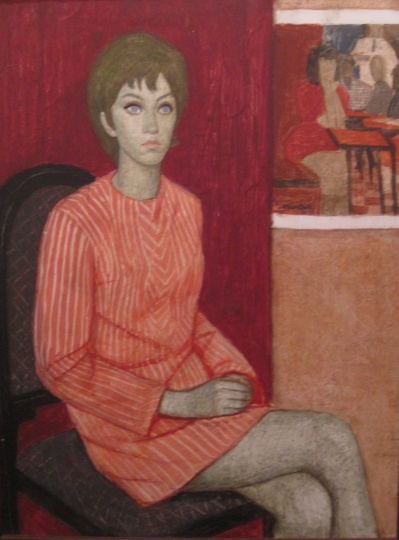
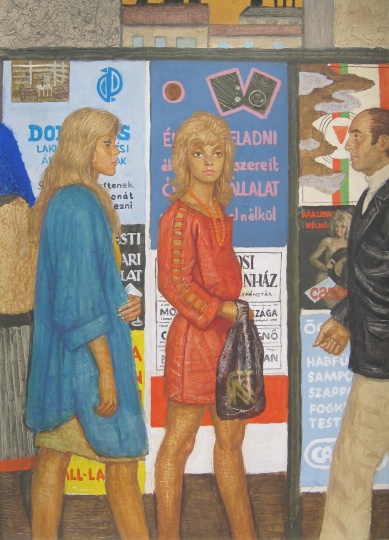
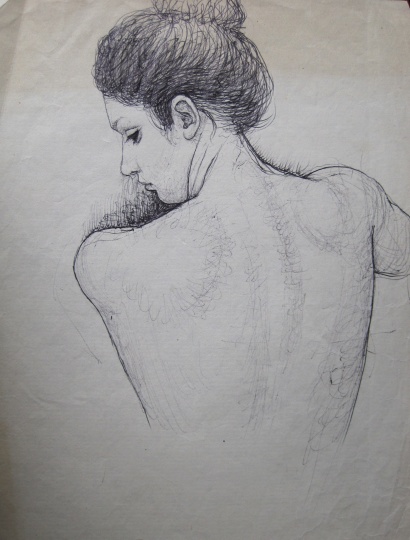
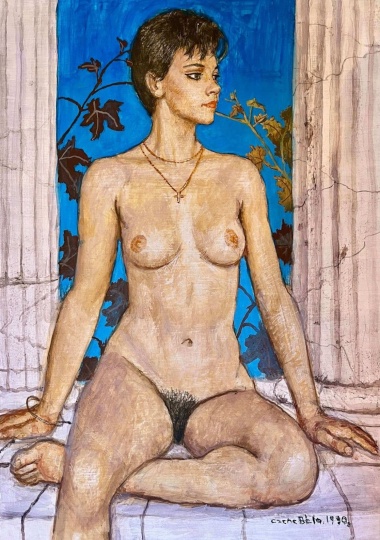
From the late 1950s, Czene developed an individual pictorial world once again. Cafés, streets, shops and interiors provide settings for scenes of modern urban life. His portraits of women and nudes bring classical figure composition together with contemporary clothing, hairstyles and everyday objects.
From the mid-1960s, he regularly travelled to Italy again, often with his family. The relationship between Hungarian and Italian everyday life remained central to his later paintings. He continued working into the 1990s. The fashion, advertisements, magazines and urban surroundings of the 1970s and 1980s also make his paintings documents of the visual culture of their time.
Techniques and Working Methods
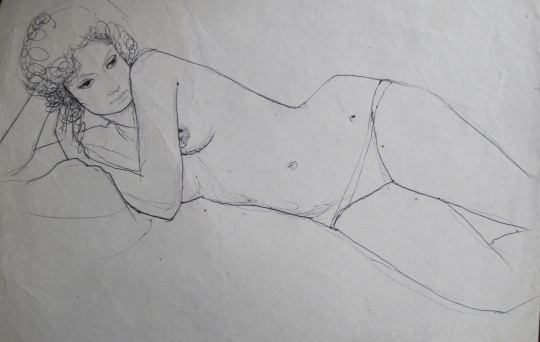
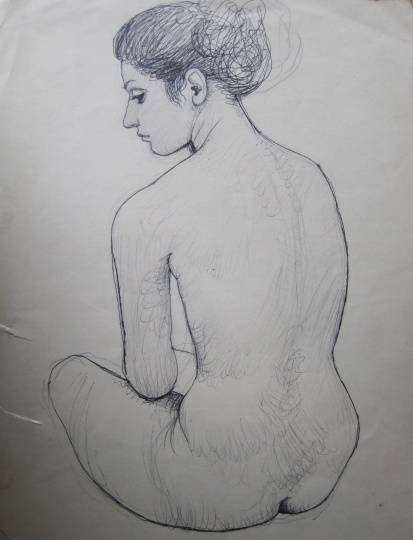
Czene worked in tempera, oil, oil tempera and, later, acrylic. He often painted on wooden panels or hardboard, but also used canvas and paper. He prepared his paintings with drawings and photographs. Careful draughtsmanship, deliberate placement of figures and a formal discipline rooted in the Renaissance recur throughout the different periods of his career.
According to Péter Molnos’s research, Czene also made his own paints and translated Cennino Cennini’s treatise on painting into Hungarian. The typescript of the translation survives in his estate. His use of wooden supports reflects both his interest in older painting traditions and the practical availability of materials in the later Hungarian art world. [5]
Biographical Timeline
| Year | Event |
|---|---|
| 1911 | Born in Isaszeg on 3 July. |
| 1930–1933 | Studies under Gyula Rudnay at the College of Fine Arts, according to Hungarian biographical sources. |
| 1938–1939 | Scholarship at the Collegium Hungaricum in Rome; stay in Italy with Erzsébet Hikádi. |
| Early 1940s | Study trips and growing interest in rural life, traditional dress and agricultural labour. |
| Around 1944 | Military service followed by Soviet captivity, according to the museum biography. |
| After 1945 | Participation in art education for workers; temporary engagement with Socialist Realism. |
| Late 1950s | Emergence of the urban, everyday subjects characteristic of his later painting. |
| Mid-1960s | Resumption of regular visits to Italy. |
| 1990s | Continues to work actively. |
| 1999 | Dies in Budapest on 9 November. |
| 2022 | Publication of the monograph A valóság szerelmese – Czene Béla festészete. |
Awards and Honours
| Year | Award |
|---|---|
| 1937 | Youth Prize of the National Hungarian Fine Arts Society. |
| 1942 | Balló Ede Prize. |
| 1943 | Prize of the Ferenc József Foundation of the City of Budapest. |
| 1948 | Prize in the Ministry of Education’s fresco competition. |
| 1953 | Prize of the Ministry of Popular Culture at the Fourth Hungarian Fine Arts Exhibition. |
Public Collections
- Hungarian National Gallery, Budapest.
- Kanizsai Városi Képtár (Municipal Art Gallery), Nagykanizsa.
- Buchheim Museum, Bernried, Germany. [2]
Reception and Rediscovery
Czene’s paintings were popular with the public and collectors, while established art history paid relatively little attention to his career for many years. Péter Molnos’s research and his monograph published in 2022 offered new perspectives on the artist’s painting.
János Janikovszky’s collecting also helped uncover the extent of Czene’s work. Paintings brought back from Italy, Japan and the United States contributed to this research. Péter Molnos estimated the artist’s output at approximately three thousand paintings; this is a scholarly estimate rather than a completed inventory. [5]
The volume A valóság szerelmese – Czene Béla festészete was written and edited by Péter Molnos and designed by Árpád Fákó. The monograph was published in Budapest by Móra Könyvkiadó in 2022; ISBN: 978-963-603-094-0. The book and the surviving family estate provide important foundations for further research. [1]
Béla Czene in the Art Market
Czene’s works appear at Hungarian and international auctions, in galleries and in private collections. His academic training, Italian artistic connections and engagement with modern urban culture together provide a basis for interpreting his painting. The period, subject, quality, condition and documented provenance all matter when assessing an individual work’s art-historical significance and market position.
Selected Literature and Documentation
- Péter Molnos: A valóság szerelmese – Czene Béla festészete. Móra Könyvkiadó, Budapest, 2022. Design: Árpád Fákó. ISBN 978-963-603-094-0.
- Buchheim Museum: Béla Czene (1911–1999). Museum biography and collection database; biography dated 18 January 2022.
- Péter Molnos: Czene Béla festészete – I. folkMAGazin, 2022/6. Journal issue.
- Continuation of the article on Czene’s painting. folkMAGazin, 2023/1. Journal issue.
- Hahó Grozdits in conversation with Péter Molnos about research into Czene’s work. Librarius, 11 June 2022.
- Ákos Mészáros: Czene Béla festészete. Magyar Belorvosi Archívum, 2022/5–6; reprint of the article published in Mértékadó on 4 July 2022. Journal issue.
- Secondary Archive: Márta Czene. Additional source on the artist’s family and estate.
- National Archive: Béla Czene and Erzsébet Hikádi in their studio. Photograph by Károly Gink, 27 February 1952.
Exhibitions
Béla Czene: Exhibitions
This selection provides an overview of Béla Czene’s exhibitions in Hungary and abroad. Exhibitions held during his lifetime and posthumous presentations are listed separately.
Posthumous Exhibitions and Reassessment
| Year | Exhibition and Location |
|---|---|
| 2022 | A valóság szerelmese – Czene Béla festészete, Budapest. Dates: – . János Janikovszky’s collection played a significant role in the exhibition. |
| 2018 | A csábítás fegyvere, Budapest. A group exhibition examining the relationship between Hungarian painting, fashion and clothing, which also included works by Béla Czene. |
Solo and Joint Exhibitions During His Lifetime
| Year | Exhibition and Location |
|---|---|
| 1998 | Gallery exhibition in Budapest. |
| 1986 | Gallery exhibition in Budapest. |
| 1982 | Exhibition in Pécs. |
| 1980 | Exhibition in Szeged. |
| 1979 | Exhibition in Tokyo. |
| 1978 | Exhibition in Kecskemét. |
| 1976 | Exhibition in Kaposvár. |
| 1974 | Exhibition in Budapest. |
| 1972 | Exhibition in Győr. |
| 1970 | Exhibition in Miskolc. |
| 1968 | Exhibition in Nagykanizsa. |
| 1967 | Ernst Museum, Budapest. |
| 1959 | Institute for Cultural Relations, Budapest; joint exhibition with Erzsébet Hikádi. |
| 1958 | Ernst Museum, Budapest. |
| 1948 | Old Műcsarnok, Budapest. |
| 1941 | Survey exhibition in Budapest. |
| 1938 | Survey exhibition in Budapest. |
Selected Group Exhibitions During His Lifetime
| Year | Exhibition and Location |
|---|---|
| 1974, 1976 | Gallery exhibitions in Tokyo. |
| 1942 | National Salon, Budapest. |
| 1940, 1943 | Spring Exhibition. |
| 1939–1940 | Exhibition marking the twentieth anniversary of Miklós Horthy’s regency. |
| 1938, 1939, 1942 | Autumn Exhibition. |
| 1938 | Saint Stephen Exhibition. |
| 1935, 1937 | National Fine Arts Exhibition. |
| 1935, 1936 | Spring Salon; exhibitions of the Munkácsy Guild. |
| Between 1934 and 1943 | Participation in several Winter Exhibitions at the Műcsarnok, Budapest. |
Further International Presentations
His works were also shown in representative exhibitions of Hungarian art in Rome, Vienna, Berlin, Moscow, Stockholm, Beijing, Bucharest and Sofia.
This is a selected exhibition chronology. The period 1934–1943 refers to participation in several separate winter exhibitions.
Sources for the Exhibition Chronology
- Earlier artist biographies and exhibition records.
- Péter Molnos: A valóság szerelmese – Czene Béla festészete. Móra Könyvkiadó, Budapest, 2022.
- Hahó Grozdits in conversation with Péter Molnos about the 2022 Czene exhibition. Librarius, 11 June 2022.
- Documentation of the 2018 exhibition A csábítás fegyvere.